When did fixing one tooth at a time stop working?
People rarely use the phrase "full-mouth restoration" when they first write to us. They say their mouth has been falling apart in stages. An old crown cracked, then another. Teeth worn flat from years of grinding they did not know they were doing. A bite that no longer meets the way it used to, and a growing sense that fixing one tooth at a time is a losing race.
This is the most personal thing we help with and the most easily oversold. It is not a package, and anyone who quotes you one before seeing a scan is guessing. So we slow it down: your records go to a dentist who looks at gums, bite, and joints together and says whether a full rebuild is genuinely warranted, or whether a smaller, cheaper plan gets you the same life back. Below is the whole map, including the parts that take months and the parts we would talk you out of.
The basics
What this actually is

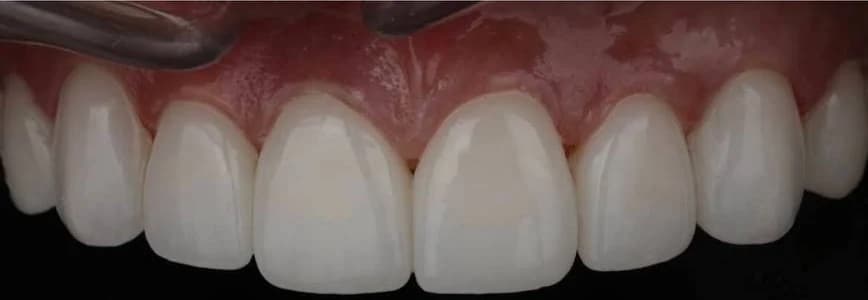
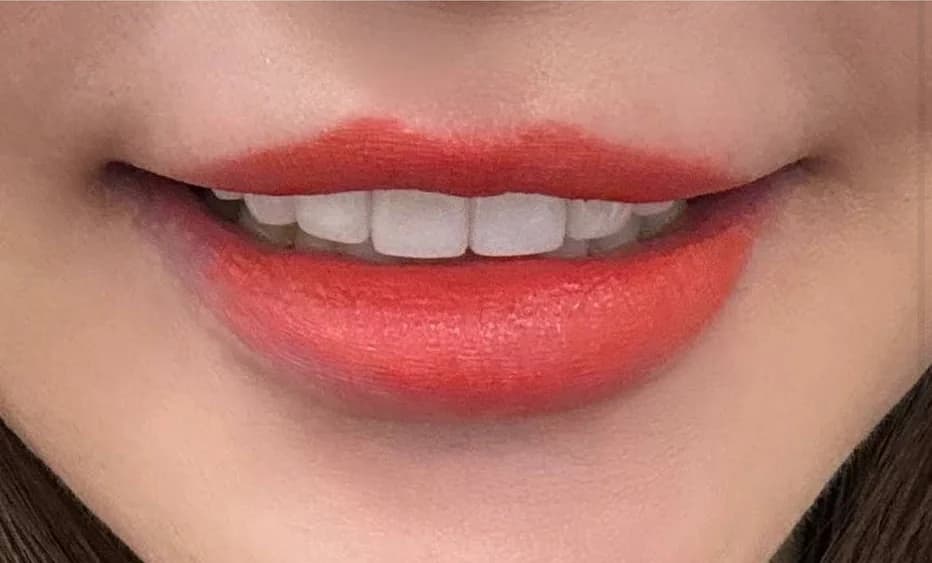
Full-mouth restoration (also called full-mouth rehabilitation or reconstruction) is not a single procedure or a product on a menu. It is a coordinated, sequenced treatment plan that rebuilds the health, function, and appearance of your entire mouth. Depending on your needs, it may combine several disciplines: dental implants for missing teeth, crowns and bridges to restore broken or heavily filled teeth, veneers for cosmetics, gum (periodontal) therapy for a healthy foundation, and careful bite (occlusion) correction so everything works together.
It typically addresses complex, long-standing problems: severely worn or eroded teeth, multiple missing teeth, old dentistry that is failing (cracked crowns, leaking fillings, failed root canals), gum disease, or a collapsed bite where the teeth no longer meet as they should. These issues rarely exist in isolation (they interact), which is why they are best solved as one integrated plan rather than a series of disconnected fixes.
Because no two mouths wear down or break in the same way, every full-mouth plan is personalized. Two patients who both want a full rebuild can end up with very different sequences, timelines, and combinations of treatment. The plan is built around your diagnosis, your priorities, your health, and how much you can realistically do on each trip.
Candidacy
Is this right for you?

Full-mouth restoration is generally considered for people with widespread, connected dental problems rather than a single tooth to fix. That often includes extensive tooth wear from grinding or acid erosion, several missing or failing teeth, multiple old crowns or bridges reaching the end of their life, advanced gum problems, or a bite that has collapsed over years and now causes discomfort, difficulty chewing, or a changed facial appearance. Many candidates describe simply feeling that their mouth is 'falling apart in stages' and want a comprehensive reset.
The most important first step is not treatment. It is a complete diagnosis. A responsible dentist will examine the teeth, gums, bite, jaw joints, and existing dental work as a whole before proposing anything. Sometimes a full rebuild is the right answer; sometimes a more limited plan achieves the same goals with less. A thorough diagnosis is what separates a durable, well-planned restoration from an expensive set of repairs that don't last.
Why Korea
Why people bring complex cases to Seoul

A full-mouth rebuild is really a coordination problem. It needs surgery, gum treatment, prosthetics, a bite plan, and a lab, sequenced in the right order over months. In many countries that means assembling several specialists across several practices and hoping they agree. Seoul clinics that take this work on tend to house the disciplines together, with a mature lab attached, so the plan is made once by people who share a corridor.
The cost difference on a case this size is also large enough to matter in absolute terms. A full rebuild is where the saving can still be substantial after two international trips. That is exactly why it deserves the most scepticism. The failure mode for full-mouth work is not a bad crown; it is a beautiful set of teeth built on a foundation nobody properly diagnosed. Anyone quoting you a package before a scan is skipping the part that decides whether it lasts.
What to look for when you compare clinics
Ask for the diagnosis before the price
CBCT, intraoral scans, photographs, gum measurements, and a bite analysis come first. A number produced without them is a sales figure, not an estimate.
Ask for the sequence in writing, with the healing gaps marked
You should be able to see which phase happens on which trip and what heals in between. If nobody can draw you that timeline, it has not been planned.
Ask who assesses your bite and jaw joints
A rebuild changes how your teeth meet. If the joints and the bite are not examined before the final teeth are made, the new work inherits the old problem.
Ask what your dentist at home will receive
Records, materials used, implant systems, and a maintenance plan. You need someone local able to look after this for the next twenty years.
Before you go
Getting ready for the trip

The more complete your records, the better your remote planning will be before you ever fly. It helps to gather recent dental X-rays, any CBCT (3D) scans if you have them, clear photos of your teeth and smile, and a written history of your past treatment: what was done, when, and by whom. Note any grinding or clenching, jaw pain, medications, and general health conditions, since these all affect the plan. In Korea, your dentist will usually take a fresh CBCT scan, intraoral scans, and clinical photos to build the definitive plan.
Set realistic expectations about time. Full-mouth work is staged and often spans more than one visit, sometimes over several months, because bone and gums need time to heal between phases. It is normal for a full rebuild to require two or more trips, with healing happening back home in between. Planning your travel, budget, and time off around a multi-visit reality (rather than hoping for a single-trip fix) leads to a calmer, safer result.
During
What actually happens
- 1
Comprehensive diagnosis and records
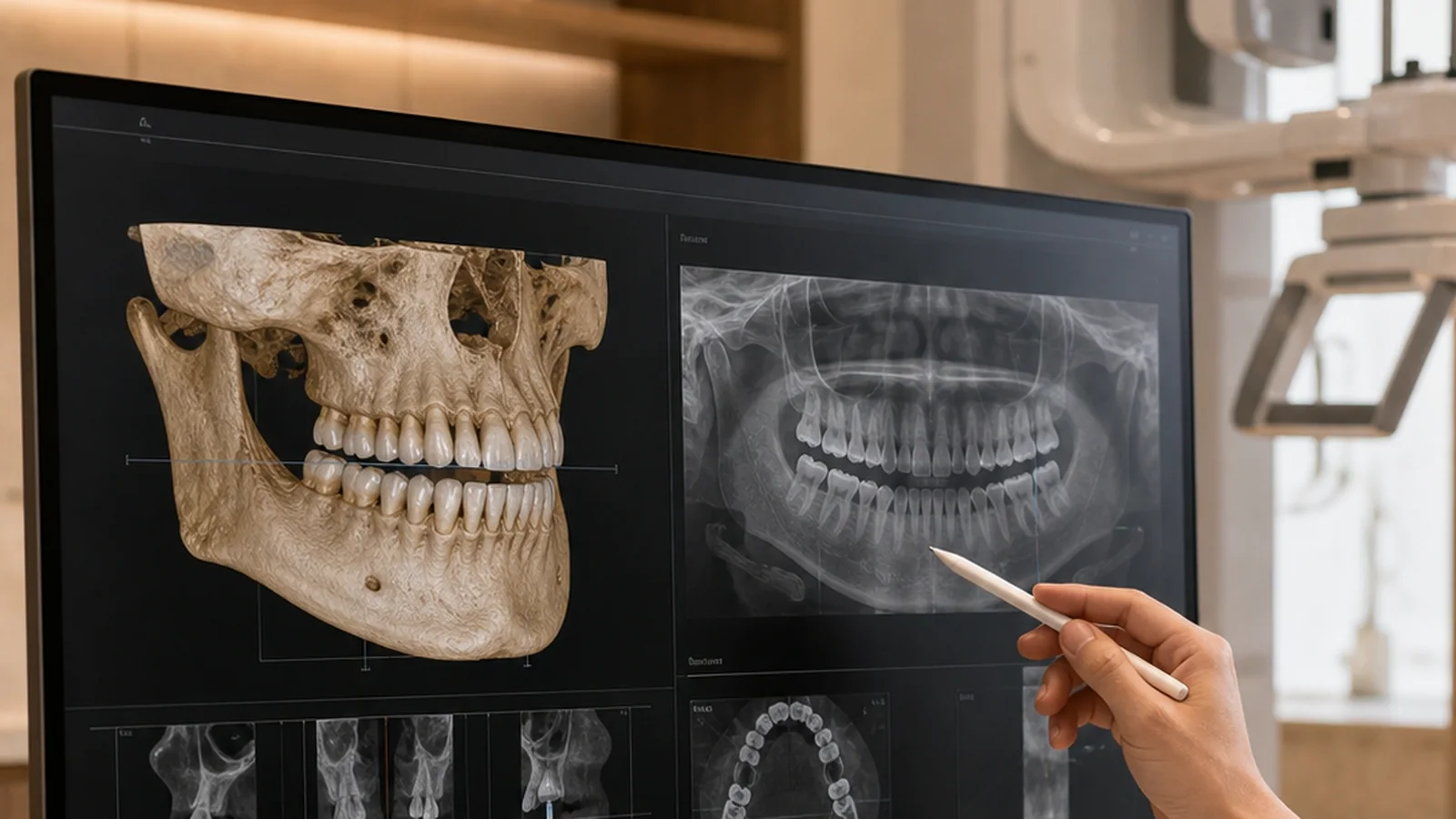
Everything starts here. Your dentist gathers a full picture (CBCT scan, intraoral scans, photographs, gum measurements, and a bite analysis) and reviews your prior treatment and health history. This stage defines the problem fully so the plan is built on evidence, not guesswork. Skipping or rushing it is the single biggest cause of restorations that fail early.
- 2
Treatment sequencing and the master plan
The findings are turned into a step-by-step plan with a logical order and a realistic timeline. Order matters enormously: the foundation (healthy gums and stable support) must come before the final restorations, and the bite must be planned before the final teeth are made. A good plan also maps out which parts happen on which trip, and what heals at home in between.
- 3
Foundational work
This phase makes the mouth healthy and stable. It can include treating gum disease, removing teeth that cannot be saved, addressing infections or old failed root canals, and placing dental implants where teeth are missing. Building final restorations on an unhealthy or unstable foundation is why order cannot be reversed. The foundation comes first for a reason.
- 4
Healing and integration
Biology sets the pace here. Implants need time to fuse with the bone (osseointegration), and gums and extraction sites need time to settle. This healing often happens over weeks to a few months, frequently back in your home country, which is exactly why full-mouth cases commonly span more than one trip. Temporary teeth are usually provided so you can eat and smile during this period.
- 5
Restorative phase
Once the foundation is healed and stable, the definitive restorations are made and fitted: implant crowns, crowns on natural teeth, bridges, and veneers as needed. These are built to a planned bite and shade, and often trialed first in temporary or mock-up form so you can preview and adjust the look and feel before anything is made permanent.
- 6
Final bite adjustment and finishing
The last stage fine-tunes how all the teeth meet, so the bite is balanced, comfortable, and protective of the new work. Small adjustments, polishing, and, very often, a custom nightguard to protect against grinding complete the process. This finishing work is what turns a set of new teeth into a mouth that functions naturally and lasts.
How do you know a clinic is any good?
Licence, sterilization, the lab, the follow-up plan. How to check each one from the other side of the world.
After
Afterwards, and how you'll feel

Adjusting to a rebuilt bite takes a little time. It is normal to need a short period to get used to how new teeth feel and meet, and minor adjustments in the days or weeks afterward are common and expected, not a sign that something is wrong. Because many full-mouth patients grind or clench, a custom nightguard is often essential to protect the investment while you sleep.
Long-term, the work depends on consistent care: thorough daily hygiene, careful cleaning around implants and bridges, and regular professional check-ups and cleanings with a dentist at home. Good clinics in Korea will provide clear maintenance instructions and are typically willing to stay in touch remotely for questions or to coordinate follow-up, while your local dentist handles routine ongoing care.
The outcome
What to expect, and how long it lasts

A well-planned full-mouth restoration can restore comfortable chewing, relieve long-standing bite problems, and give back a natural, confident appearance. For many people the biggest change is functional, being able to eat normally and stop worrying about teeth breaking, with the cosmetic improvement as a welcome result of getting the whole mouth healthy again.
Longevity varies by component and by how well the work is maintained. Well-cared-for implants can last many years, and crowns, bridges, and veneers typically last a long time before eventual replacement, though no dental work is permanent. The strongest predictor of how long your restoration lasts is not the country it was done in. It is diagnosis quality, sound sequencing, protecting against grinding, and consistent hygiene and check-ups afterward.
Questions
Questions people actually ask

How much does full-mouth restoration cost in Korea compared to home?
Costs vary widely with how many teeth, implants, and restorations are involved, so honest figures only come from a personalized plan. That said, comprehensive care in Seoul is often meaningfully less than comparable full-mouth treatment in the US, UK, or Australia. Ask for an itemized estimate, and factor in travel and accommodation across more than one visit.
How many trips does it take, and how long overall?
Full-mouth work is staged, and most complex cases need two or more trips rather than a single visit. This is because implants and gums need healing time, often weeks to a few months, that usually happens back home between phases. The total span depends on your plan, but thinking in terms of several months from start to finish is realistic.
Does it hurt?
Treatment itself is done under local anesthesia (with sedation options at many clinics), so procedures are generally not painful at the time. Afterward, some soreness or swelling is normal, especially following extractions or implant surgery, and is typically managed well with prescribed medication. Your dentist will explain what to expect at each stage.
How long will the results last?
With good care, implants can last many years and crowns, bridges, and veneers typically last a long time before needing replacement, but no dental work is truly permanent. Longevity depends heavily on daily hygiene, protecting against grinding, and regular check-ups. Maintenance, not the procedure alone, is what preserves the result.
How is the treatment planned and sequenced?
It begins with a complete diagnosis (3D CBCT scans, intraoral scans, photos, and a bite analysis), which is turned into a step-by-step master plan. The sequence always builds the foundation first (healthy gums, stable support, implants), allows healing, then completes the final restorations and bite. The order is deliberate, because final teeth built on an unstable base tend to fail.
Is it safe to have full-mouth work done abroad?
It can be, provided it is planned thoroughly and done by qualified, experienced dentists, which is why verified clinicians and a proper diagnosis matter so much. The keys are realistic multi-visit planning, clear records, and a coordinated plan for follow-up and any adjustments once you're home. Ora exists to help you connect with verified Korean doctors and navigate exactly this kind of complex, staged care.