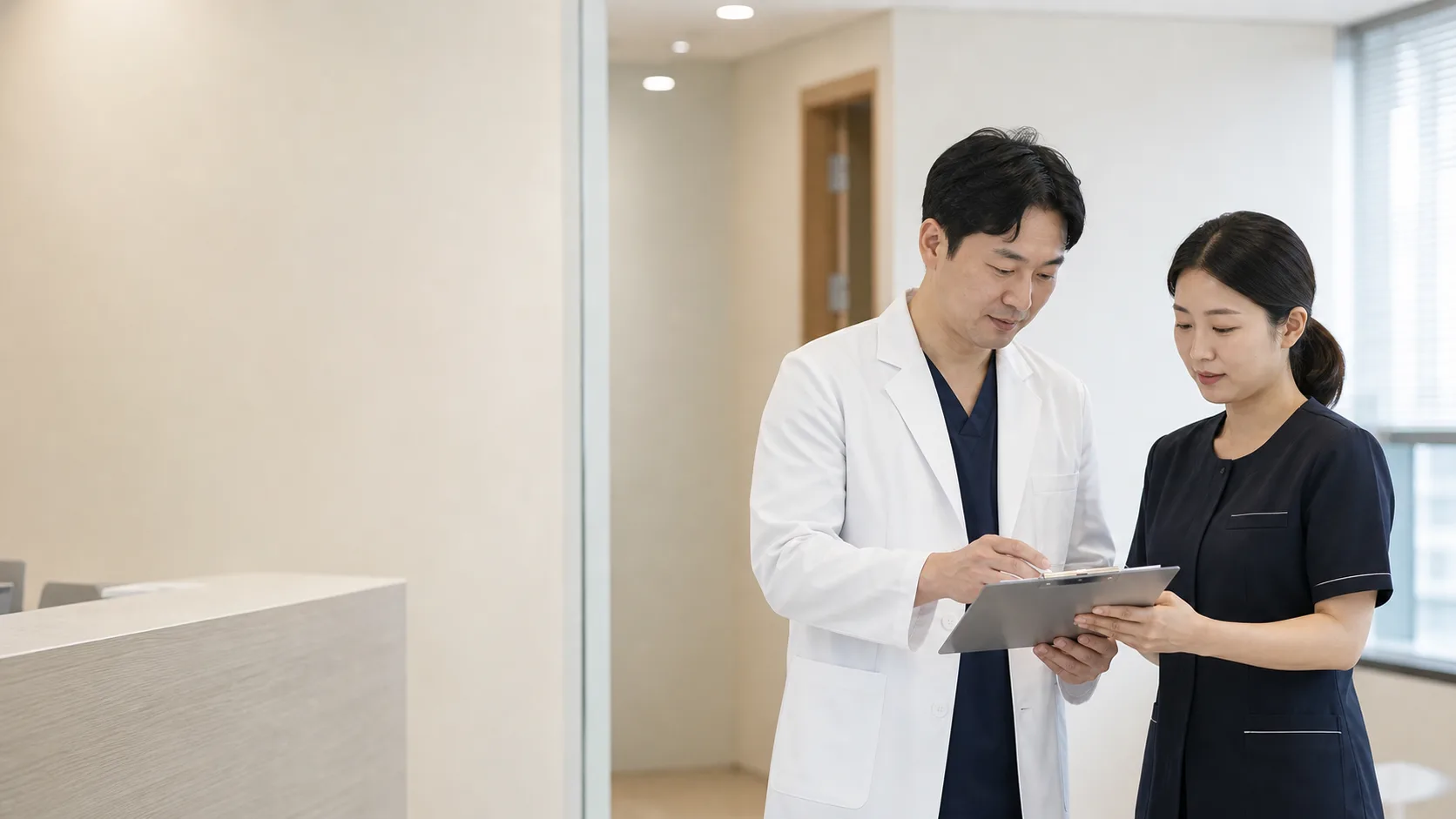
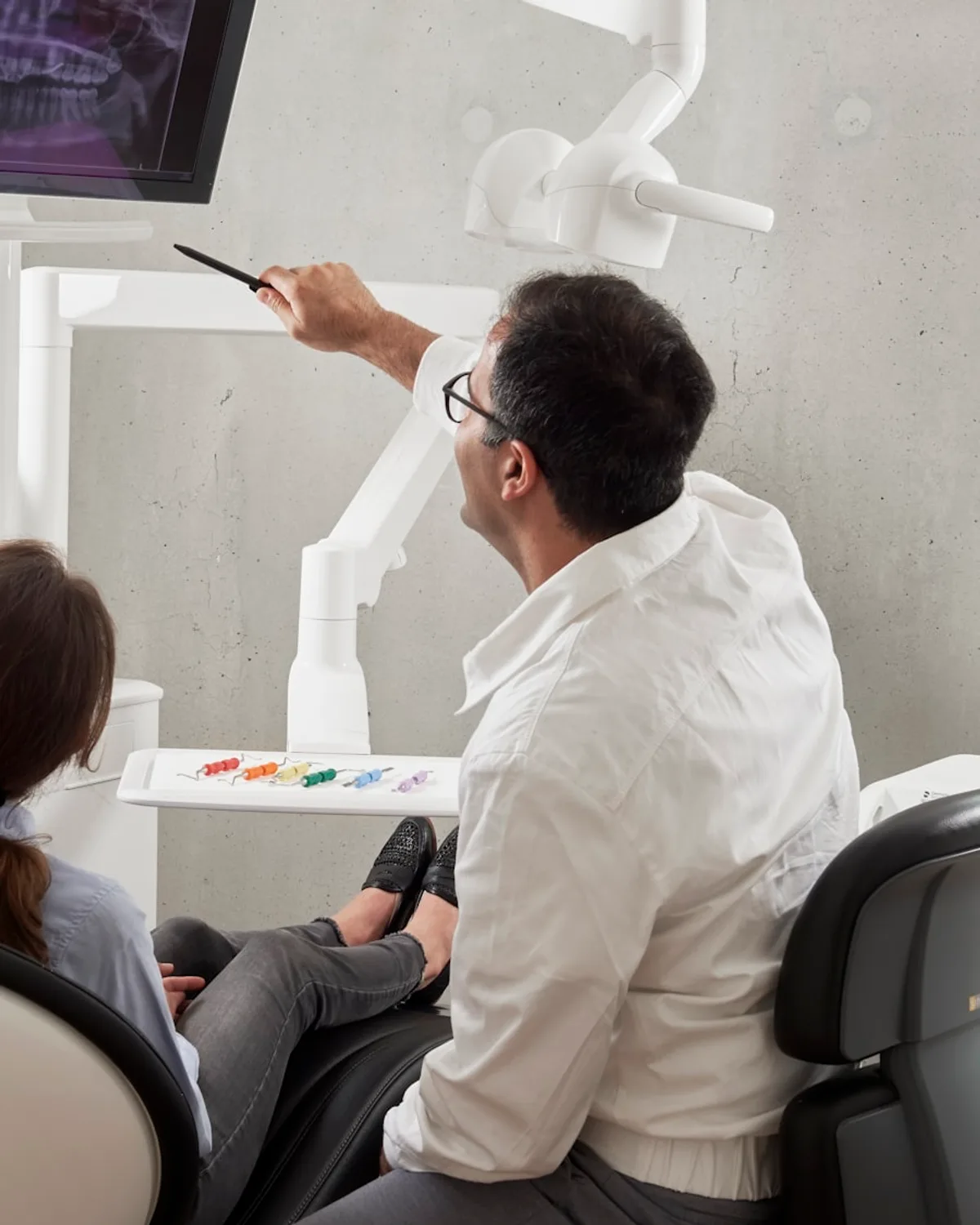

A Korean dentist and clinic coordinator reviewing a patient's chart together

Trust & quality

How to trust a dental clinic on the other side of the world.

The hardest part of care abroad is judgment from a distance. This is the trust pillar: how to read clinician quality, what makes a Korean clinic genuinely ready for international patients, how treatment plans are built and explained, and why Seoul's competitive market and mature dental labs raise the standard.

Ask us the awkward question

The hardest question we get is not about teeth. It is some careful, slightly embarrassed version of: how do I know you are real, and how do you know they are? It is a fair thing to ask a website on the other side of the world, and the people who ask it are usually the ones we end up serving best.

So here is the answer in the open, rather than as a badge. Clinical review at Ora is independent of whether a clinic pays us: licence confirmation, peer references, and outcome evaluation by clinicians on our advisory team, with commercial relationships kept off public profiles entirely. Paying does not make anyone verified. What follows is the standard we apply, written plainly enough that you can hold us to it too.

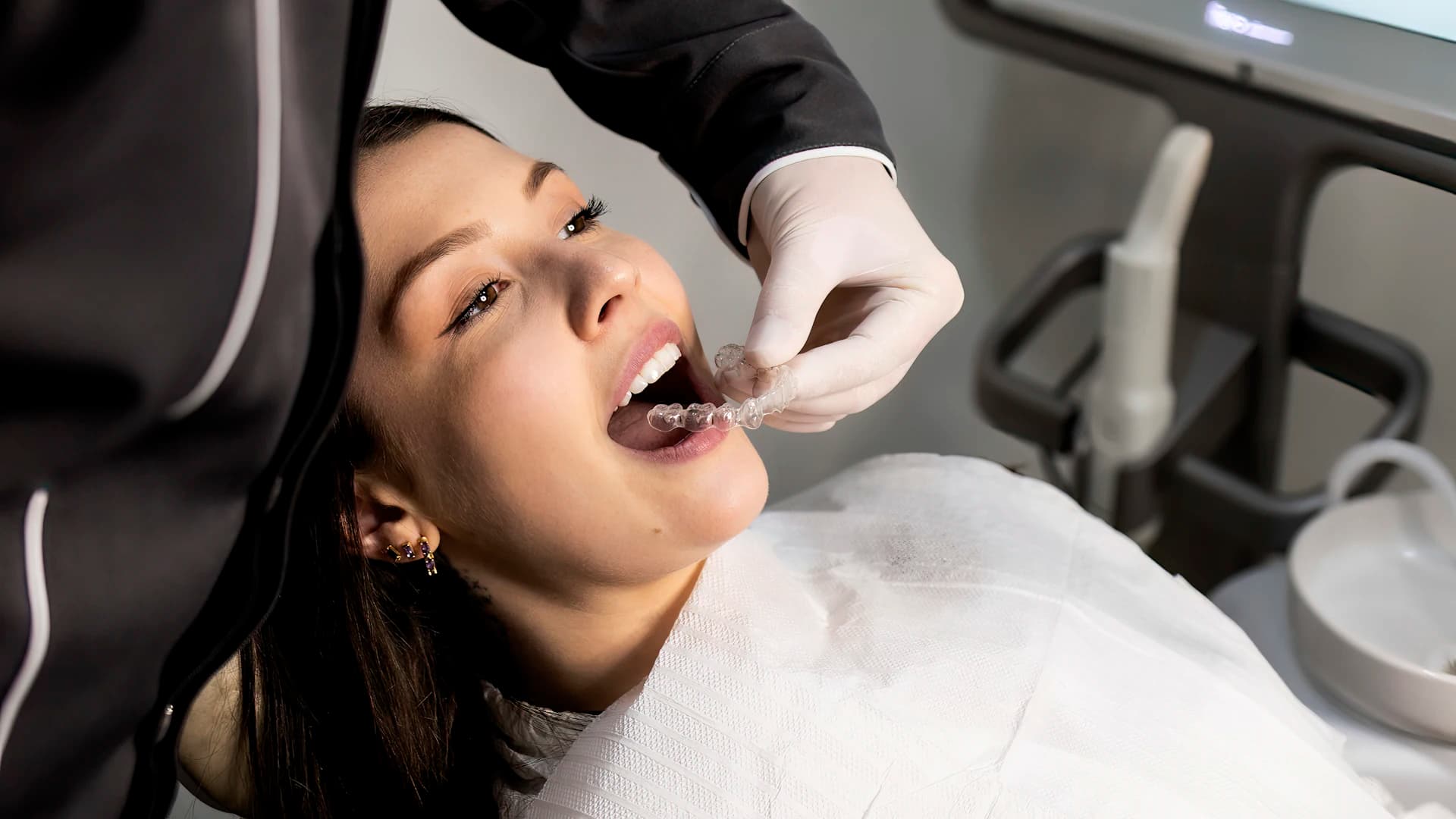
A dentist reviewing a digital scan before proposing treatment
01

Quality lives in the diagnosis, not the marketing.

The easiest thing for any clinic to send is a number. The harder thing is a plan. A real plan explains what records are needed, what the dentist sees, what the options are, and what tradeoffs come with each path.

For implants, that may mean a CT scan and a discussion of bone and gum health. For veneers, it may mean photos, bite evaluation, shade planning, and a conversation about tooth preservation. The point is not to make the process complicated. It is to make sure the dentist is actually thinking clinically before you travel.

A clinic coordinator explaining a treatment plan to an international patient
02

International-ready is more than English.

English matters because patients need to understand what is happening to their own teeth. But a clinic being international-ready goes beyond language. It means the team can handle records clearly, explain timing, coordinate specialists when needed, and talk plainly about follow-up after the patient leaves Korea.

A good clinic should be comfortable saying what can be done on your trip and what should not be rushed. That kind of honesty is often more important than a polished brochure.

The Seoul skyline at night
03

Seoul's market sets a high bar.

Seoul has a dense dental market, especially around cosmetic and restorative care. There are mature local labs, strong material supply chains, and patients with high expectations for aesthetics. That can create excellent options, but it also makes filtering more important.

Ora is not trying to list every clinic. We are trying to help patients pay attention to the right signals: who is diagnosing, what materials are being used, how the plan is sequenced, and whether the dentist's explanation would still make sense after the excitement of the lower price wears off.

Dr. Hosan Park

Dr. Hosan Park

Reviews your case personally

Doctor-led, not a sales desk

A clinic earns its place, one check at a time.

Licence and credentials, a visit in person, sterilization, whose lab makes the restoration, and what happens if something goes wrong after you fly home. How to check each of them, from a distance, is in the trust guide.

Frequently asked questions

How can I judge a Korean dental clinic without visiting first?

Look for the things a good clinic puts in writing: a named clinician with a stated specialty, a treatment plan that explains the diagnosis and the alternatives, itemised pricing, and a follow-up plan for after you fly home. Vague answers to those are the red flag.

Are Korean dentists well trained?

Korea has a dense, competitive dental market with a strong specialist culture and widespread digital dentistry — CBCT, intraoral scanning, in-house labs. That density is why Seoul clinics can be both good and affordable; it also means the range between clinics is wide, so the checks above matter.

What signals does Ora pay attention to in a clinic?

Who is diagnosing and what their specialty is, whether the plan explains records, options and trade-offs before a price, what materials and lab are being used, how the plan is sequenced around your trip, and whether the team talks plainly about follow-up after you leave Korea. Ora also says which clinics it has a commercial relationship with.

What if I need follow-up after I get home?

Ask before you book. A clinic ready for international patients gives you your full records, imaging and plan in writing, plus a named contact — so a dentist at home can handle a small repair with full information.

Verified patient reviews

Real smiles, from real trips to Seoul.

5.0Verified reviews
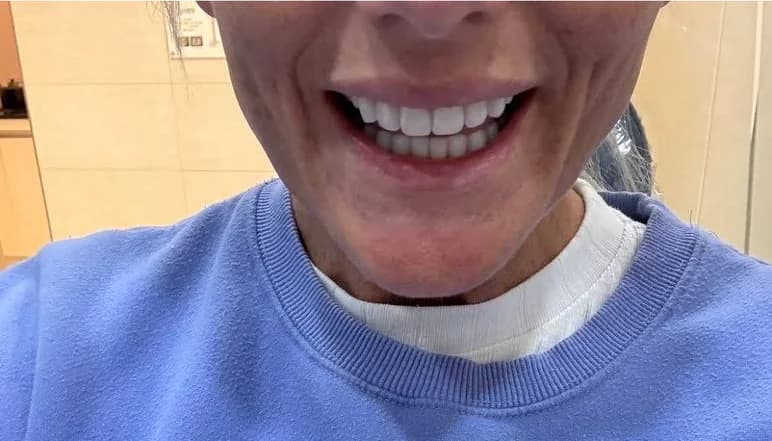
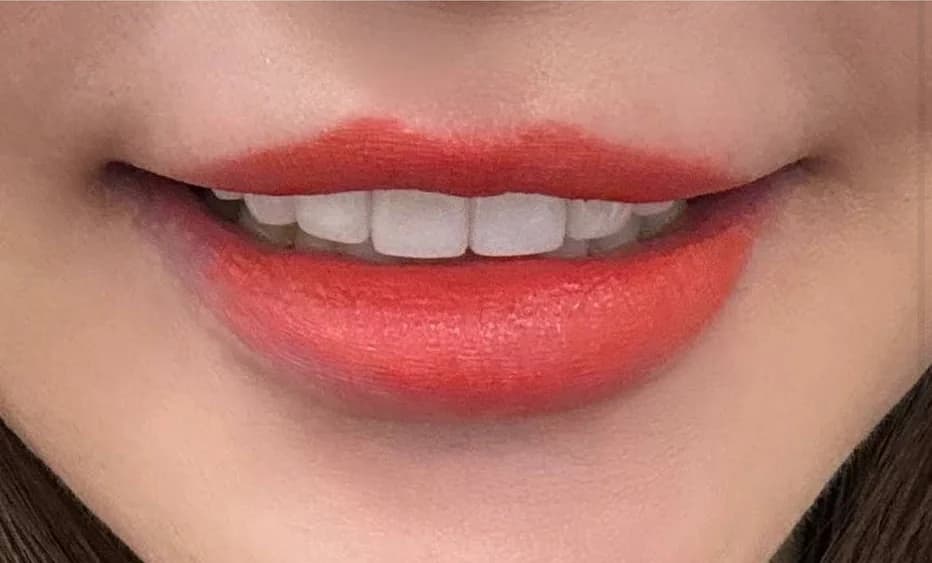
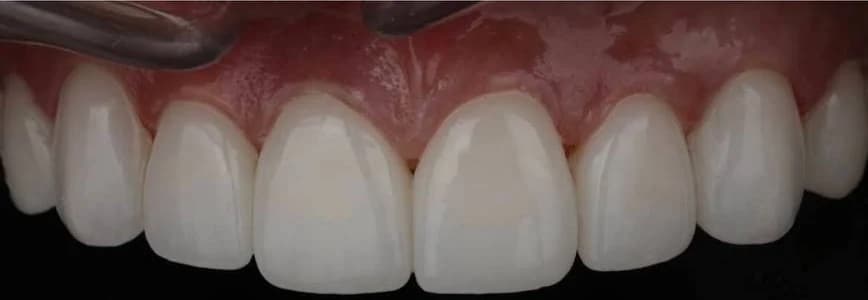
Close-up of the porcelain veneers Vivi receivedVerified
Veneers

Gentle, even if you dread the dentist

Just had my first veneers done with Dr Park and was really satisfied! I'm usually terrified and nervous whenever i visit the dentist but Dr Park was reassuring throughout the process and i was able to get numbing done whenever it gets too uncomfortable for me. Anna was really helpful and patient as well. Thank you Su Dental! Loving my new pearly whites!
Vivi9 months ago