Still thinking about the braces you never got?
Most adults who ask us about aligners have been thinking about it for years and talking themselves out of it just as long. There was no money for braces at sixteen; there is no appetite for metal at thirty-five. Then a photograph, or an offhand comment from a dentist about crowding, brings it all back.
The honest complication is that aligners take months, and you will not be in Korea for months. So the first thing we do is not put a plan in front of you. It is to explain how treatment actually works across two countries, and to tell you when your case is one that belongs with a dentist at home instead. We would rather say that than start something you cannot finish from six thousand miles away. Here is the full, unhurried version.
The basics
What this actually is
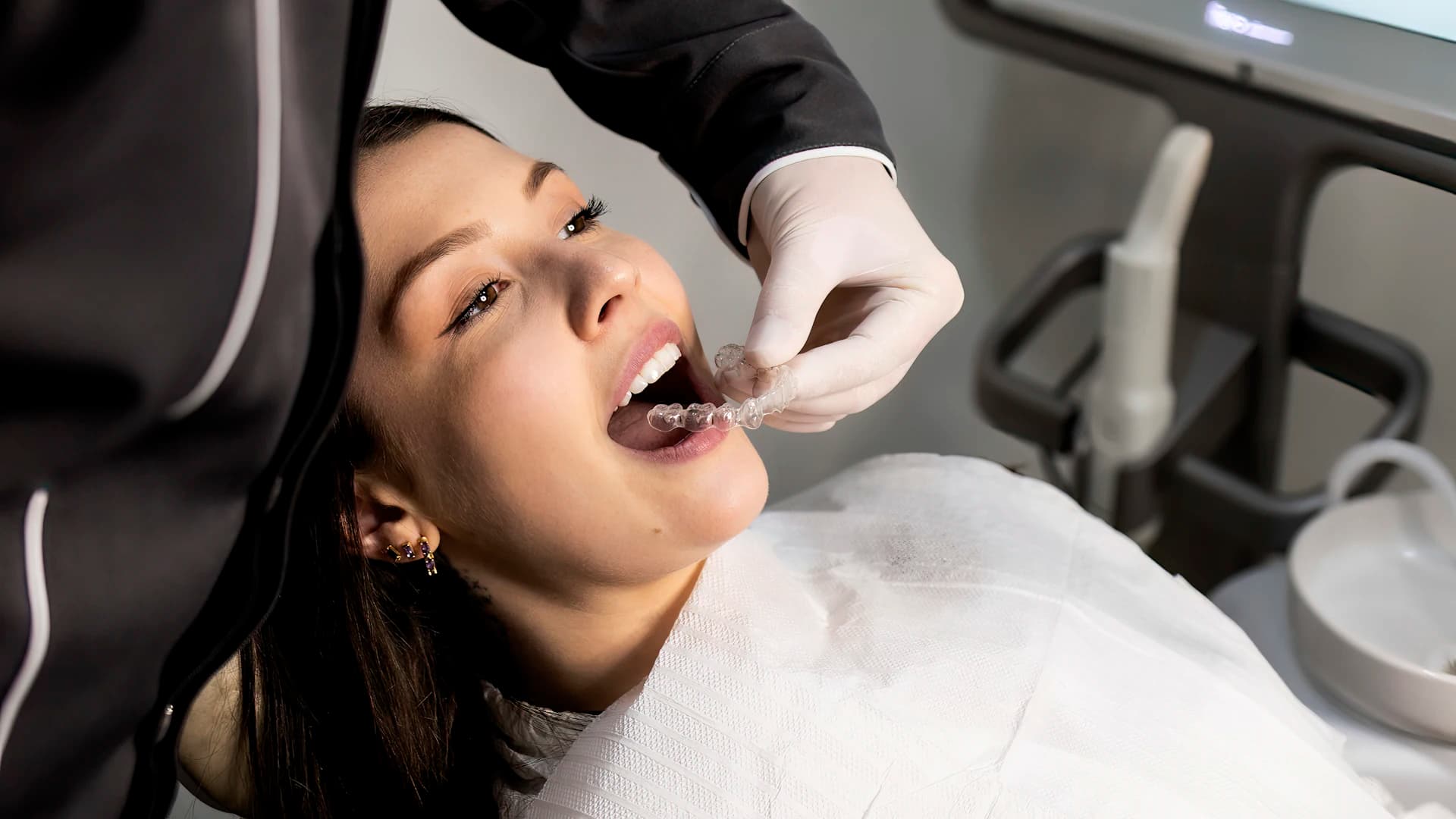
Clear aligners are thin, transparent trays that fit over your teeth and move them a little at a time. You wear each set for a week or two, then switch to the next, and over many sets your teeth gradually shift toward a straighter position. Because the trays are removable and nearly invisible, many adults prefer them to fixed braces for everyday life and work.
Aligners are typically well suited to crowding, spacing (gaps), and mild-to-moderate bite issues. Invisalign is the most widely known brand, but it is one of several similar systems. Clinics in Korea also use other reputable aligner brands. What matters far more than the brand name is the diagnosis, the treatment plan, and the doctor's experience, so it is worth focusing your questions there rather than on marketing.
It also helps to be realistic about what aligners can and cannot do. They excel at moving teeth into better alignment, but complex bite corrections, significant jaw discrepancies, or severe rotations may need braces, additional appliances, or in some cases surgical planning. A good clinic will tell you honestly when aligners are the right tool and when they are not.
Candidacy
Is this right for you?

The best candidates usually have mild-to-moderate crowding or spacing, generally healthy teeth and gums, and, importantly, the discipline to wear their aligners around 20 to 22 hours a day. Because the trays only work while they are in your mouth, results depend heavily on consistent wear. If you know you can commit to that routine, aligners can be a comfortable, low-profile way to straighten your teeth.
Aligners are less suited to complex cases: large bite discrepancies, severely rotated or tipped teeth, untreated gum disease, or situations that may involve jaw surgery. Patients who struggle to wear removable devices consistently may also do better with fixed braces. An in-person or virtual assessment is the only way to know which category you fall into. No honest clinic can promise a plan without seeing your teeth first.
Why Korea
Why people plan aligner treatment from Seoul
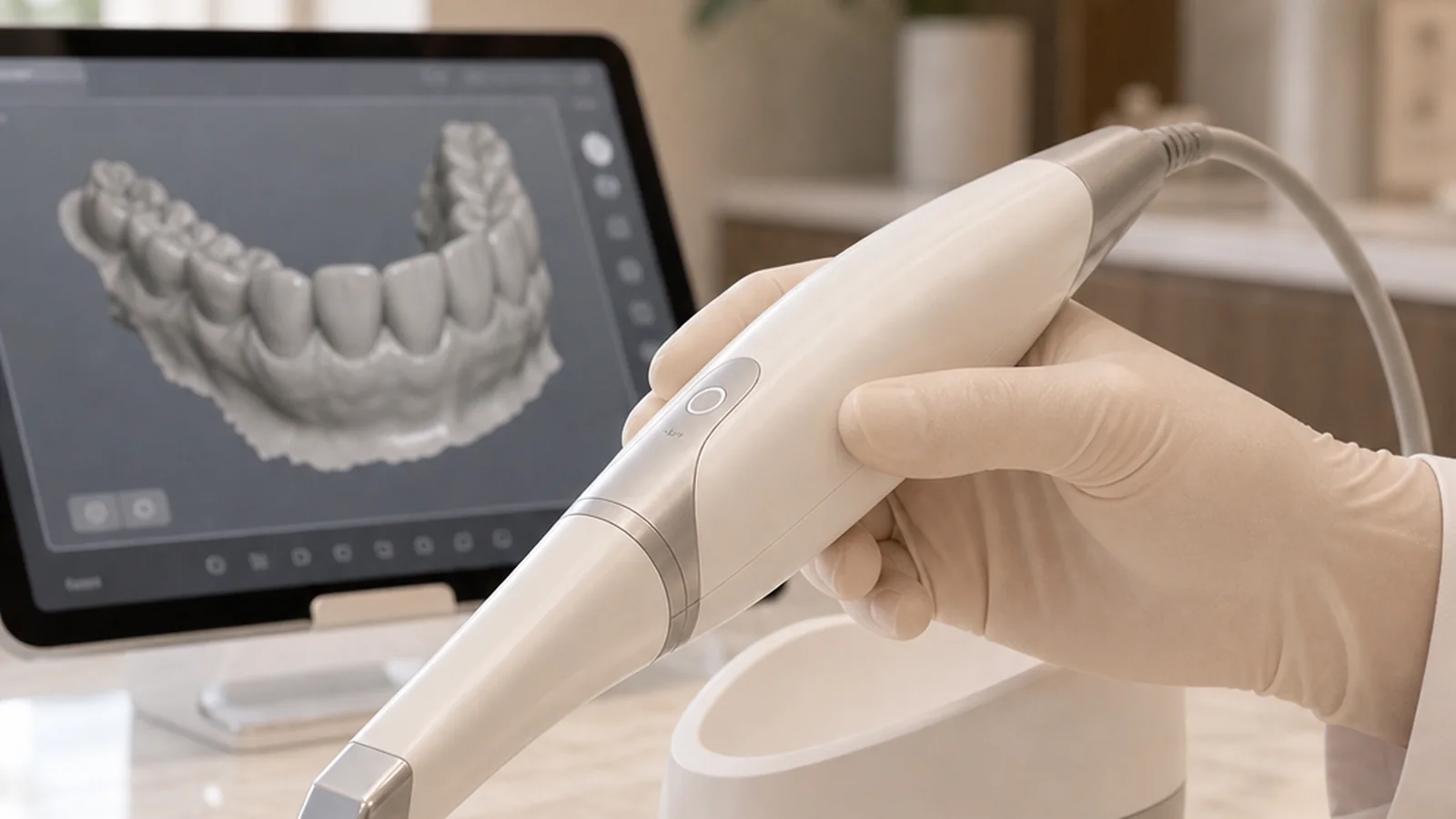
Seoul has a high density of orthodontic practices and digital scanning is standard, so the planning stage, meaning the scan, the simulation, and the sequence of movements, is generally strong and considerably cheaper than the same work at home. For a treatment where the plan is most of the value, that is a real advantage.
But we would rather be straight with you than sell you a trip: aligners take somewhere between six and eighteen months, and you will not be in Korea for that. What Seoul realistically offers is excellent planning and a much lower total cost, with the wearing done at home under remote monitoring. If you cannot picture managing check-ins across a time zone, this is the one treatment on our site where the honest advice is often to stay put.
What to look for when you compare clinics
Ask who plans the tooth movement
Aligner software will produce a plan on its own. You want to know that a doctor reviewed and changed it, and can explain why your teeth move in that order.
Ask exactly how remote check-ins work
Photos, an app, scheduled video calls: get the specifics, including how often and who reviews them. Vagueness here is the single most common way cross-border aligner cases go wrong.
Ask whether refinements are included
Most cases need a second round of trays when teeth do not track as planned. Whether that is covered or billed again can change the real cost substantially.
Ask what happens if you need to be seen in person
Sometimes remote is not enough. Find out whether that means a flight, a partner clinic near you, or a handover to a local orthodontist, before you start.
Before you go
Getting ready for the trip

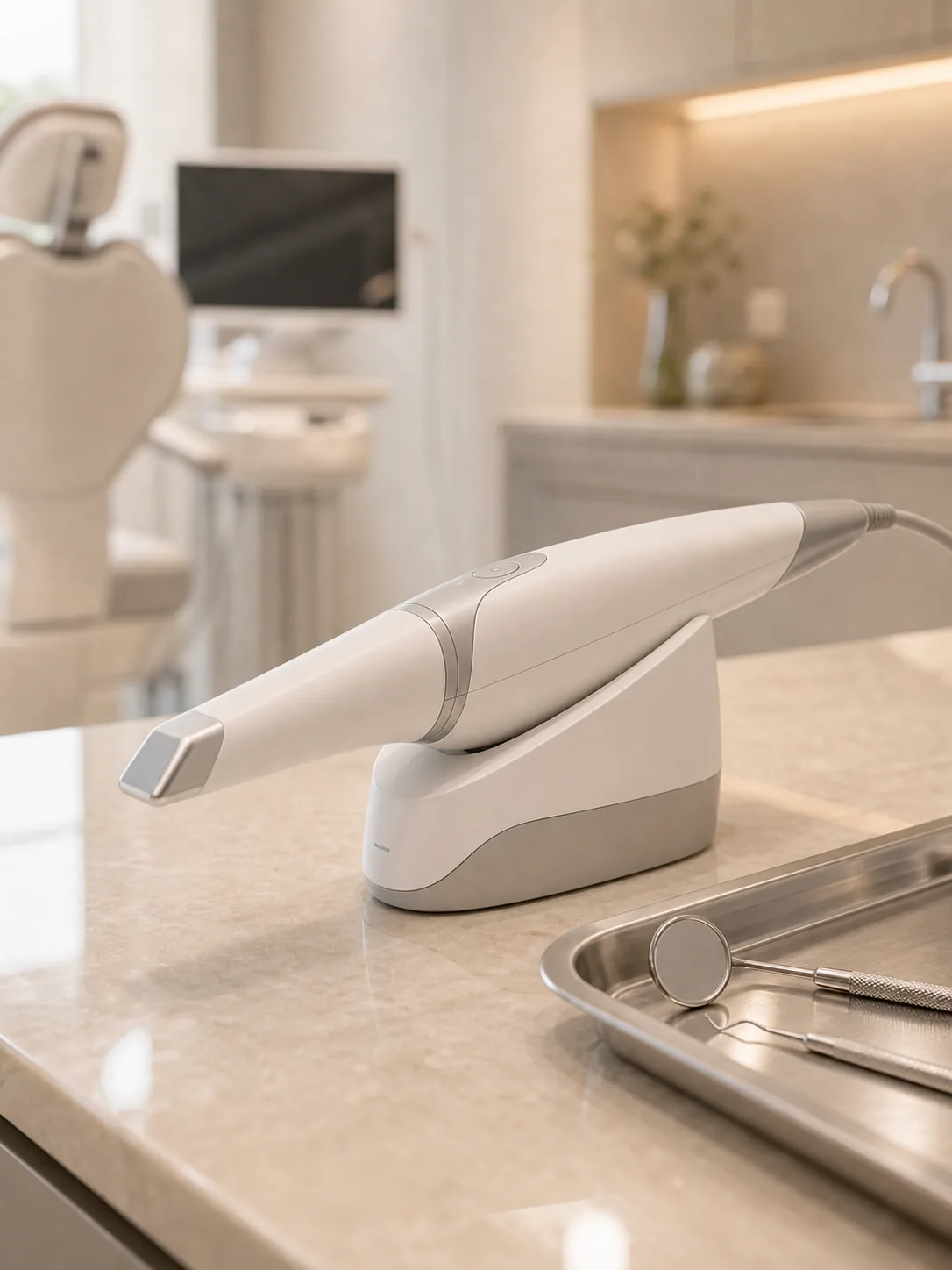
Preparing well makes remote treatment far smoother. Gather any recent dental records, note any past orthodontic work, and be ready to share clear photos of your teeth for an initial review. Most treatment begins with a digital 3D scan taken at the clinic, which replaces messy impressions and lets the doctor plan each stage of movement precisely.
Most importantly, talk through the reality of the timeline before you book anything. Aligner treatment commonly runs from around 6 months to 18 months or more, which does not fit into a single short trip. Ask the clinic exactly how they coordinate care across countries: how check-ins are handled remotely, how replacement or refinement trays are sent, and what would require you to return in person.
During
What actually happens
- 1
Remote review and planning
You share photos, any records, and your goals, and the clinic gives you an initial, honest read on whether aligners are realistic for your case. This is also the moment to align on budget and the likely timeline before you travel.
- 2
In-person exam, 3D scan, and simulation
On your visit to Seoul, the doctor examines your teeth and gums, takes a digital 3D scan, and often shows a simulation of how your teeth are expected to move. You will discuss the number of trays, the estimated duration, and any groundwork needed first, such as cleaning or fillings.
- 3
Aligners fabricated
Your custom trays are manufactured from the scan and treatment plan. Depending on the clinic and system, some or all sets may be ready during your trip, or produced afterward and shipped to you. Clarify this in advance so you know what to expect.
- 4
Wearing aligners and switching trays
You wear each set roughly 20 to 22 hours a day, removing them only to eat and clean your teeth, and move to the next set every one to two weeks as directed. Mild pressure or soreness for a day or two after switching is normal and usually eases quickly.
- 5
Remote check-ins and refinements
Because most of treatment happens at home over many months, your clinic monitors progress remotely, often through photos or an app, and advises on pacing. If teeth are not tracking as planned, a round of refinement trays may be made, and occasionally an in-person visit is the most reliable way to reassess.
- 6
Retainers at the end
When your teeth reach their planned positions, you finish with retainers to hold them there. This step is not optional. It is what protects the result you spent months achieving.
How do you know a clinic is any good?
Licence, sterilization, the lab, the follow-up plan. How to check each one from the other side of the world.
After
Afterwards, and how you'll feel

The single most important part of aftercare is wearing your retainers exactly as instructed. Teeth naturally tend to drift back over time, so most people wear retainers nightly, often indefinitely, to keep their new alignment stable. Your clinic will tell you which type suits you and how to care for it.
Keep up with regular cleanings and check-ups with a dentist near home, and keep a line of communication open with your treating clinic in Korea. If a retainer cracks, is lost, or stops fitting, contact them promptly. Small problems are far easier to fix before teeth have a chance to move.
The outcome
What to expect, and how long it lasts
With consistent wear, most patients see meaningfully straighter teeth by the end of treatment, though the exact result and timeline depend on your starting point and how faithfully you wear the trays. Visible progress often appears within the first few months, while the full plan typically takes 6 to 18 months or longer to complete.
It helps to think of straight teeth as something you maintain, not something you finish. Retainers are effectively for life, and simple habits (wearing them as directed, good daily hygiene, and routine dental visits) are what keep your smile looking the way you worked for.
What it costs
Orthodontic costs: Korea vs. US (typical 2026 ranges)
| Treatment | Korea range | US range |
|---|---|---|
| Clear aligners (full treatment) | $2,000–5,000 | $3,500–8,000 |
| Simple cosmetic aligner case | from ~$1,000 | from ~$2,000 |
| Conventional braces | $3,150–4,500 | $5,000–10,000 |
Typical ranges from Seoul clinics and aggregator guides for international patients, 2025–26. Complexity, brand, and included refinements move the number. A dentist reviews your case free before anything is booked.
Questions
Questions people actually ask

How much do clear aligners cost in Korea compared to home?
Aligner treatment in Seoul is often more affordable than comparable care in the US, UK, or Australia, though prices vary widely by case complexity, the number of trays, and the clinic. Ask for a clear written estimate after your scan, and factor in travel and any follow-up visits when comparing.
How does this work if I don't live in Korea? How long is the trip?
Typically you visit Seoul for the exam, 3D scan, and planning, then complete most of the treatment at home while the clinic monitors you remotely. A single short trip cannot cover the whole 6-to-18-month process, so the plan is built around one or two in-person visits plus remote check-ins, with trays produced during or shipped after your stay.
Does wearing aligners hurt?
Most people feel mild pressure or tenderness for a day or two after switching to a new set, which is a normal sign the teeth are moving, and it usually settles quickly. Aligners are generally considered comfortable, with smooth edges and no wires, though everyone's sensitivity differs.
How long does treatment take?
It commonly runs from around 6 months for simpler cases to 18 months or more for more involved ones. The biggest factor within your control is wearing the trays consistently, around 20 to 22 hours a day, since inconsistent wear can extend the timeline.
Are the results permanent?
Straighter teeth can last for years, but only if you wear your retainers as directed. Without them, teeth naturally tend to drift back over time, so retainers, usually worn nightly and often long-term, are what make the result durable.
Should I choose aligners or braces?
Aligners are often ideal for mild-to-moderate crowding or spacing and for adults who value discretion and can commit to consistent wear. Braces may be the better or only option for complex bite corrections or severe movements. The right choice depends on your specific diagnosis, which a doctor can only determine after examining your teeth.