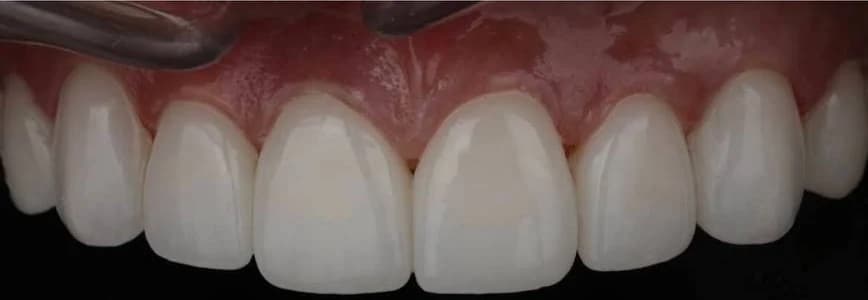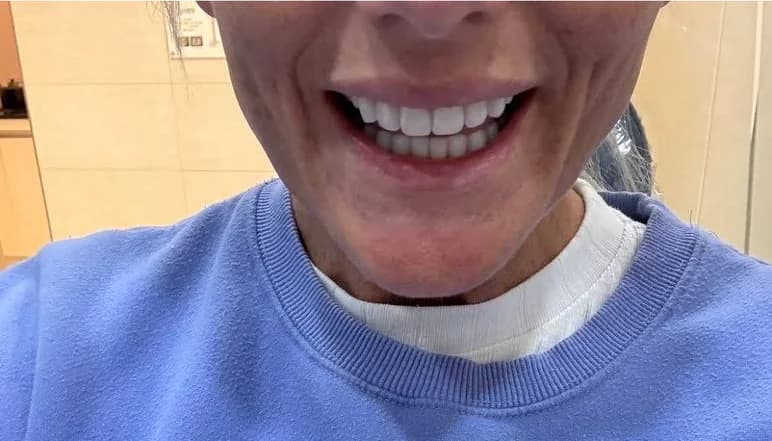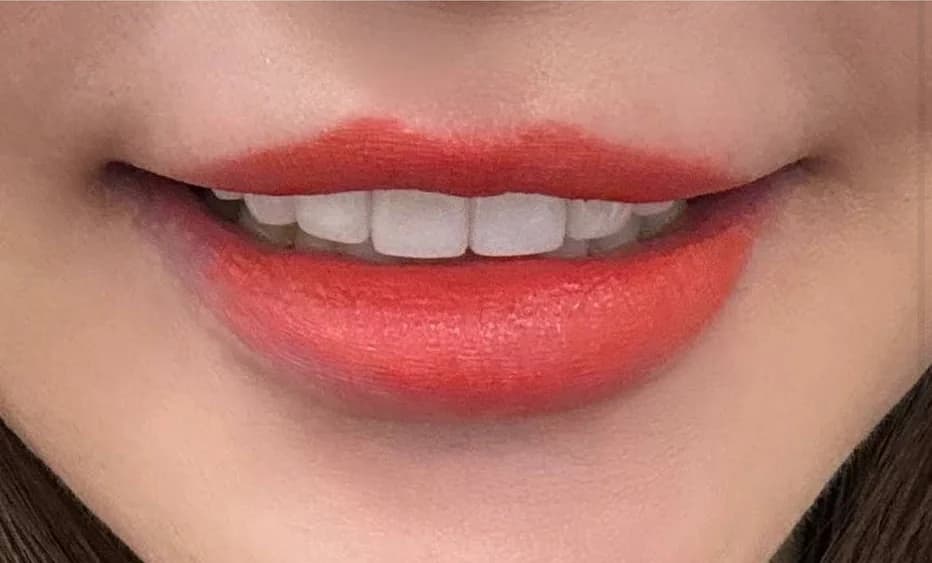
How white is actually realistic?
Whitening is the one people ask about apologetically. The message usually opens with "this is probably vain, but", and then describes fifteen years of coffee, or a wedding in two months, or simply catching their own smile in a photo and not quite recognising it.
It is not vain, and it is the smallest, least permanent thing anyone asks us about. It is also the treatment where we most often suggest doing less: whitening will not touch a crown, will not fix a chip, and is not worth paying for on a mouth that needs a cleaning first. We would rather tell you that than take the booking. This page is the version of that conversation we end up having most weeks.
The basics
What this actually is
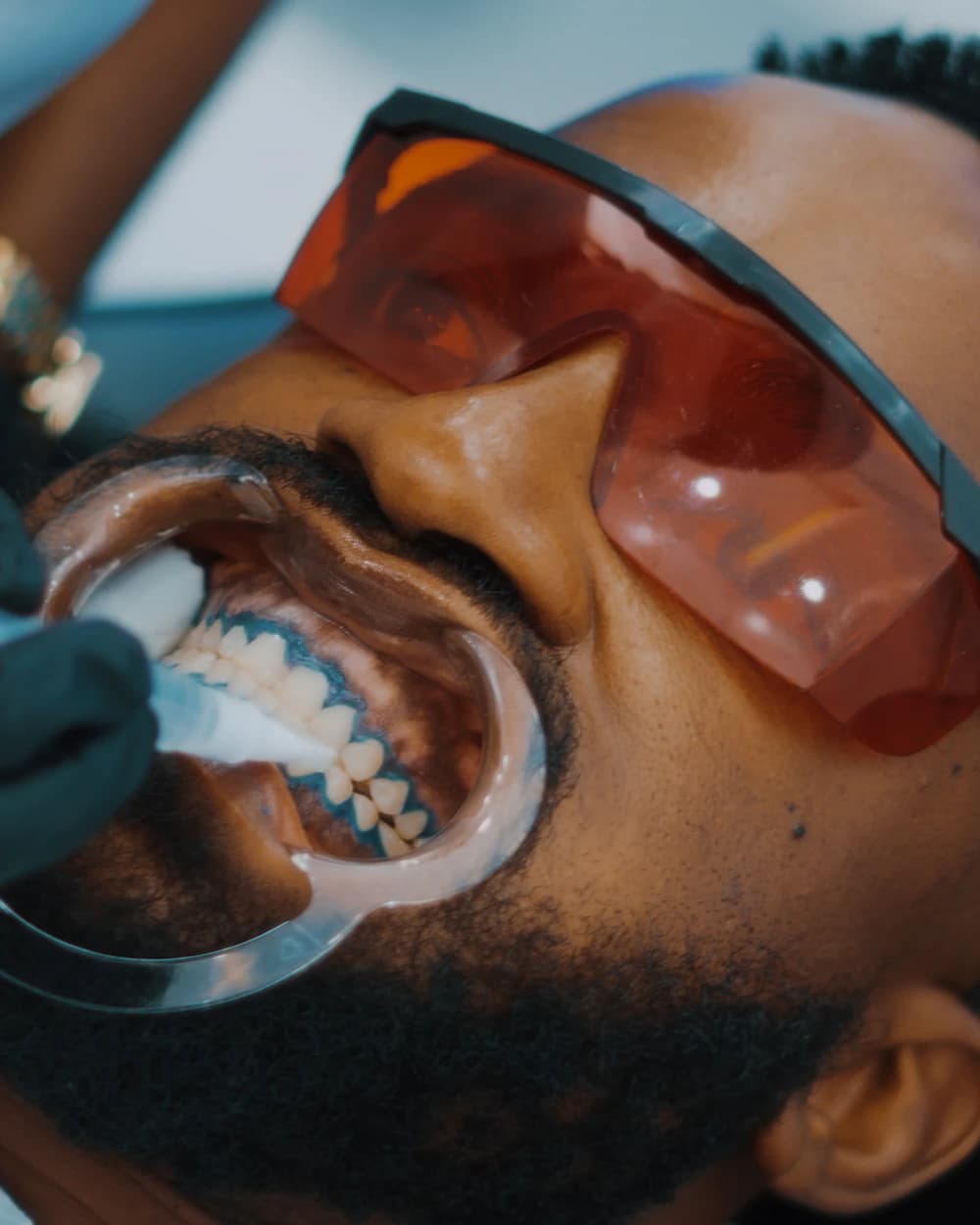
Professional teeth whitening uses a controlled dose of peroxide-based gel to lighten the natural color of your enamel. It comes in two main forms: in-office whitening, where a dentist applies a stronger gel and sometimes activates it with a light for faster results, and take-home whitening, where you wear custom-fitted trays with a milder gel over one to two weeks. Many patients in Seoul choose in-office treatment because it typically fits into a single appointment.
The gel works by breaking down surface and deeper stains within the enamel, gradually returning teeth toward a brighter shade. Because a dentist controls the concentration and protects your gums, professional whitening is generally stronger and more even than over-the-counter strips or toothpastes, which use lower concentrations and can whiten unevenly. That said, results are not guaranteed and vary from person to person.
It's important to know what whitening can and can't do. It works only on natural tooth structure. It will not change the color of crowns, veneers, fillings, or bonding, which keep their original shade. Whitening is most effective on external staining from coffee, tea, red wine, or smoking, and less predictable on deeper, built-in discoloration.
Candidacy
Is this right for you?

The best candidates have healthy teeth and gums with extrinsic staining, the surface yellowing that comes from years of coffee, tea, wine, or tobacco. If your teeth are fundamentally sound and you simply want them brighter, whitening is often the lowest-commitment way to refresh your smile, and a good first step into Korean dental care.
Whitening is less suited to some situations. It won't lighten crowns, veneers, or fillings, so if your front teeth are heavily restored the result can look uneven. Deep, intrinsic stains (from certain medications, trauma, or fluorosis) respond less predictably and may need other options. And if you have untreated decay, gum disease, or significant sensitivity, a dentist will usually recommend addressing those first, since whitening a healthy mouth is safer and more comfortable.
Why Korea
Why whitening in Seoul is worth a chair, not a flight
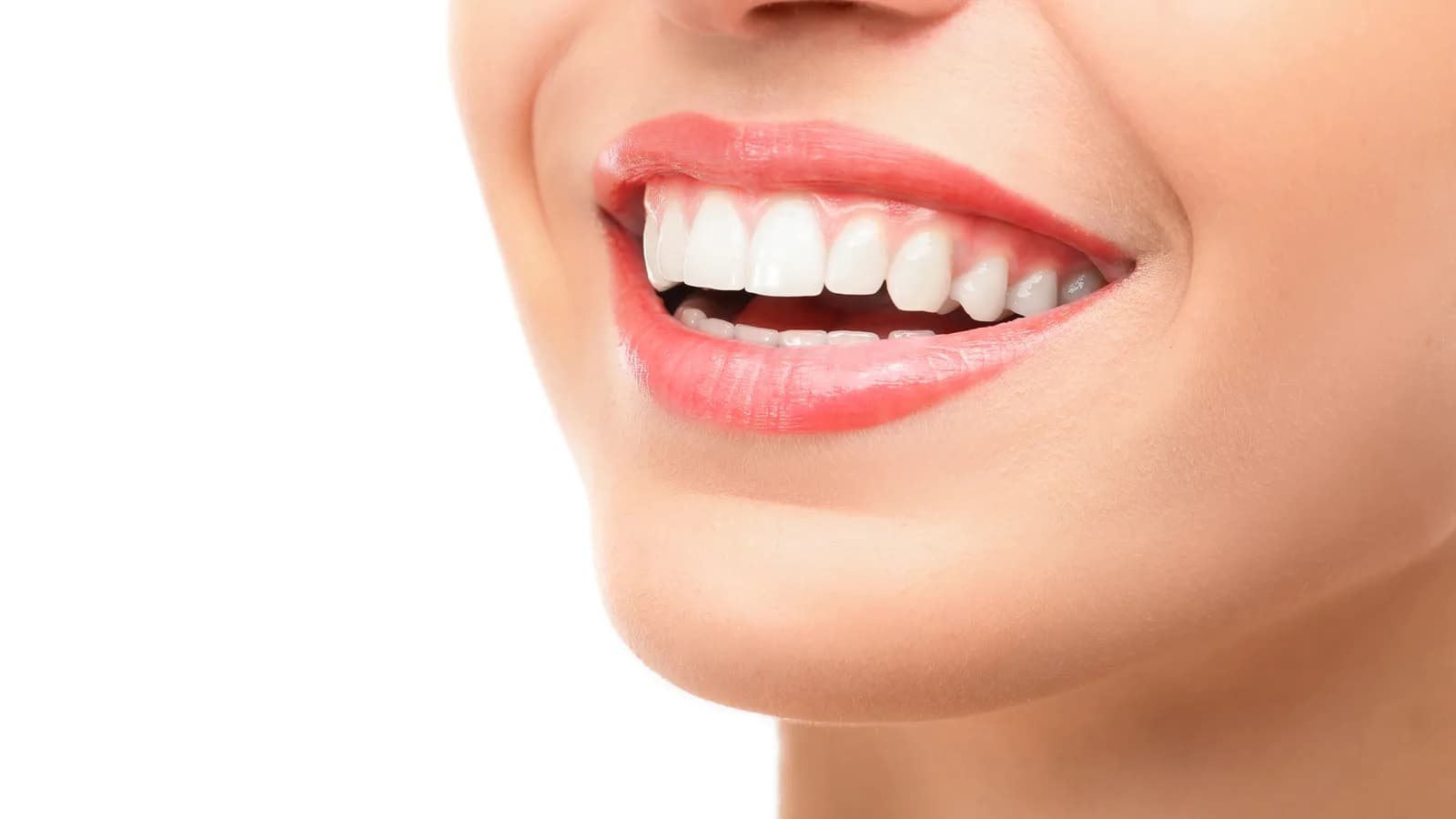
Professional whitening in Seoul typically costs a fraction of the US equivalent, and clinics here routinely combine the exam, the cleaning, and the whitening into one appointment of about an hour. If you are already in Korea, or already coming for something else, it is close to the easiest good decision available: strong gel, protected gums, a dentist watching, and a shade recorded before and after.
We will say the obvious thing though: this is not a treatment worth a plane ticket on its own. The saving is real but it is measured in hundreds, and a flight erases it. Whitening earns its place as the first thing you do on a trip you were taking anyway, or as the step that comes before veneers so your new ceramics can be matched to a brighter natural shade.
What to look for when you compare clinics
Ask whether an exam and cleaning come first
Whitening a mouth with untreated decay or gum inflammation is uncomfortable and less effective. A clinic that skips straight to the gel is skipping the part that protects you.
Tell them if you are prone to sensitivity, and ask what they change
Gel strength, cycle length, and desensitising treatment can all be adjusted. A good clinic changes the protocol rather than telling you to endure it.
Ask them to record your starting shade
Without a documented baseline you are judging the result from memory, which is unreliable and usually unkind. A shade guide photo before and after settles it.
Ask what happens to your crowns and fillings
They will not lighten. If you have restorations on your front teeth, the dentist should raise the mismatch before you start, not after.
Before you go
Getting ready for the trip
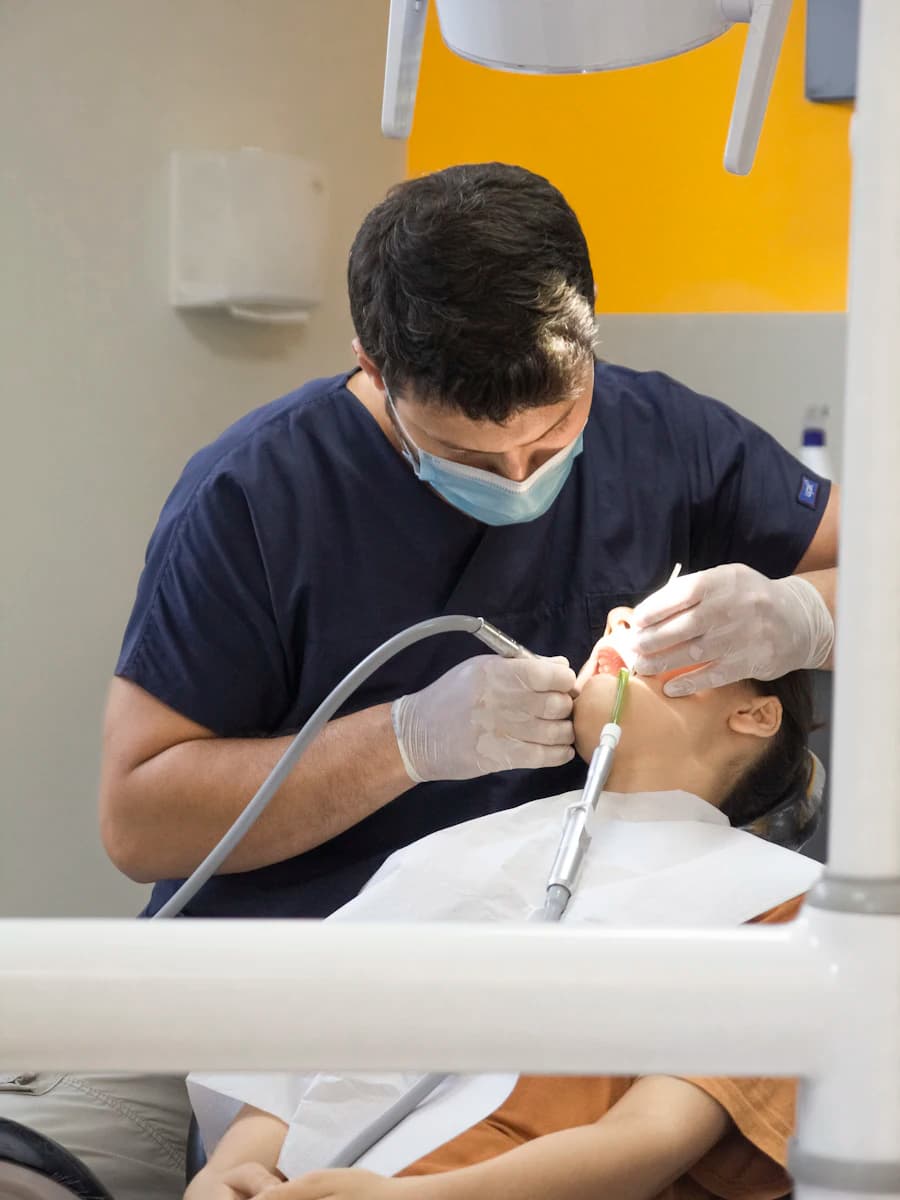
The most useful preparation is a professional cleaning and a quick exam before whitening. Removing plaque and surface buildup lets the gel work on the tooth itself, and the exam confirms there's no decay or gum issue that should be handled first. This is why many Seoul clinics combine a cleaning and whitening into the same visit.
It also helps to set realistic expectations. Whitening lightens natural teeth by a range of shades, not to a single fixed color, and outcomes differ by person. If you have any history of sensitivity, mention it in advance so the dentist can adjust the approach. And if you're also considering veneers or crowns, whitening should generally come first, so any new restorations can be matched to your brighter shade.
During
What actually happens
- 1
Exam and cleaning
The dentist checks for decay, gum health, and existing restorations, then cleans away surface buildup so the whitening gel can act directly on your enamel. This step also flags anything that should be treated before whitening.
- 2
Shade assessment
Using a shade guide, the dentist records your current tooth color as a baseline. This makes it possible to see the change afterward and to set honest expectations about how many shades you might reasonably gain.
- 3
Gum and lip protection
A protective barrier is applied along the gum line, and your lips and cheeks are held back so the peroxide gel contacts only the teeth. This keeps soft tissue comfortable and the treatment safe.
- 4
Whitening gel and light activation
The dentist paints the professional-strength gel onto your teeth and, in many in-office protocols, activates it with a light or laser for one or more short cycles. This is the core of a same-day, in-office visit and usually takes under an hour.
- 5
Optional take-home trays
For gradual or extended results, the clinic can make custom trays and provide milder gel to use at home over one to two weeks. Many patients pair a single in-office session with take-home trays for touch-ups.
- 6
Results and touch-ups
The dentist re-checks your shade, reviews aftercare, and explains how to maintain and refresh the result over time. Because whitening fades gradually, occasional touch-ups keep teeth looking their brightest.
How do you know a clinic is any good?
Licence, sterilization, the lab, the follow-up plan. How to check each one from the other side of the world.
After
Afterwards, and how you'll feel

For roughly the first 48 hours, your teeth are more porous and prone to picking up color, so a temporary "white diet" helps protect your new shade. Avoid deeply pigmented foods and drinks (coffee, tea, red wine, cola, tomato-based sauces, curries, and berries) and skip tobacco during this window. Choosing lighter, less staining options for a couple of days can make a real difference.
Some sensitivity to cold or air is common in the first day or two and usually settles on its own. A sensitivity toothpaste, lukewarm drinks, and avoiding very hot or cold items can ease it. To maintain results longer, keep up gentle brushing, rinse after staining drinks, and stay on schedule with routine cleanings.
The outcome
What to expect, and how long it lasts
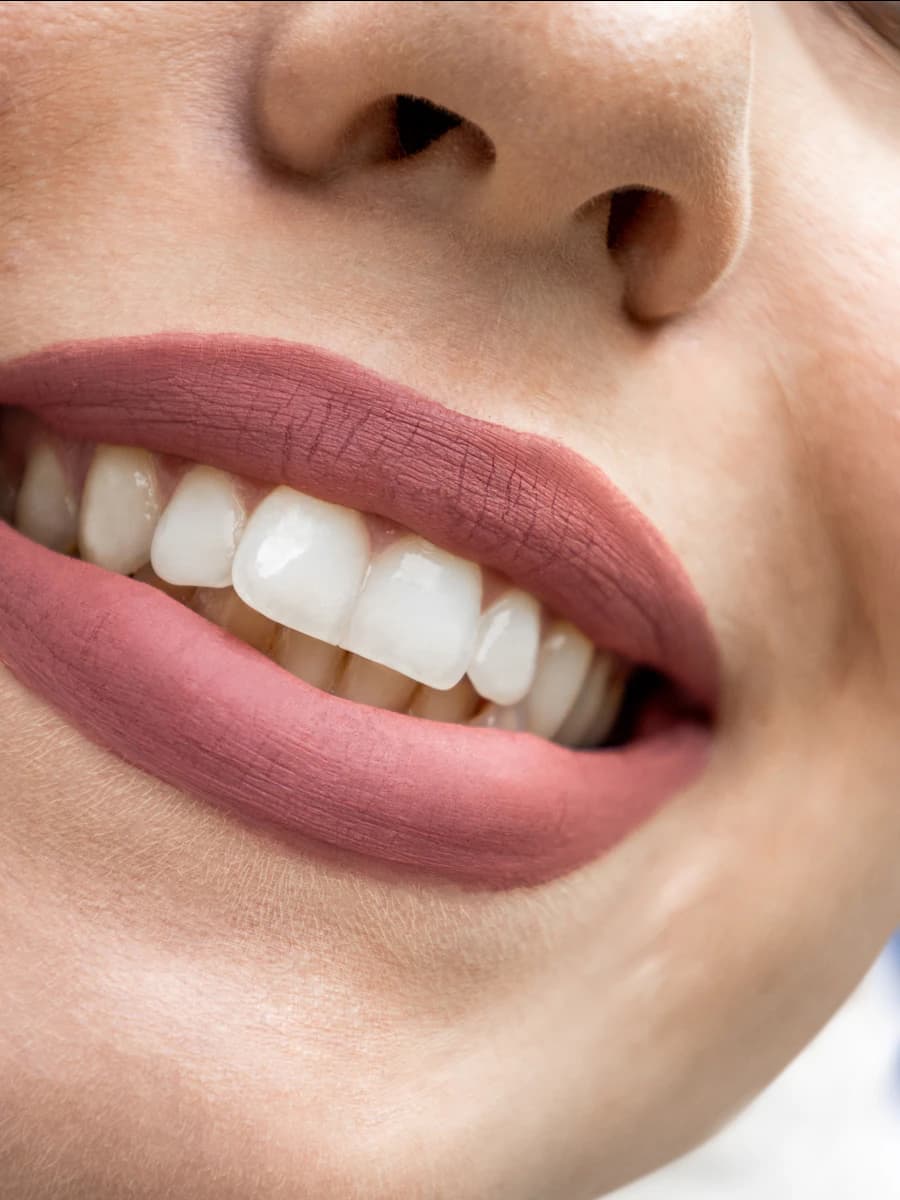
Most people see their teeth brighten by a few shades, though the exact amount depends on your starting color and the type of staining. In-office whitening tends to show a noticeable change on the same day, while take-home trays build up more gradually. Results are typically most dramatic on teeth with heavy surface staining.
Whitening is not permanent. Depending on your diet, oral habits, and whether you smoke, results often last from several months to a couple of years before gradually fading. Periodic touch-ups, either an in-office session or a few nights with take-home trays, are the usual way to keep your smile bright over time.
What it costs
Whitening costs: Seoul vs. US (typical 2026 ranges)
| Treatment | Seoul range | US range |
|---|---|---|
| In-office whitening (per session) | $200–500 | $500–1,000+ |
| Custom take-home trays | $150–300 | $300–600 |
| Exam + cleaning before whitening | $50–120 | $200–400 |
Typical ranges published for international patients in Seoul, 2025–26. Sensitivity management, gel strength, and included cycles vary by clinic. The exam decides what is safe for your enamel.
Questions
Questions people actually ask

Is professional whitening worth it compared to home kits?
Professional whitening uses stronger, dentist-controlled gel with your gums protected, so it tends to be faster, more even, and safer than drugstore strips. In Seoul it's often reasonably priced relative to many Western markets, though costs vary by clinic. It's worth confirming pricing directly.
Can it really be done in one visit?
Yes, in-office whitening is frequently completed in a single same-day appointment, often within about an hour including the cleaning. Some patients add take-home trays afterward for gradual touch-ups, but the core brightening can happen in one sitting.
Does whitening hurt?
Whitening itself isn't painful, but temporary tooth sensitivity to cold or air is common for a day or two afterward and usually fades on its own. Let your dentist know if you're prone to sensitivity so they can adjust the gel strength or timing.
How long do the results last?
Results are not permanent and typically last from several months to a couple of years, depending on your diet, habits, and whether you smoke. Occasional touch-ups help maintain the brightness over time.
Is professional whitening safe?
When performed by a dentist on healthy teeth and gums, whitening is generally considered safe, since the concentration is controlled and your soft tissue is protected. Any decay or gum issues should be treated first, and it's not recommended if a dentist advises against it in your specific case.
Will it whiten my crowns or veneers?
No. Whitening only affects natural tooth enamel, so crowns, veneers, fillings, and bonding keep their original color. If your front teeth have such restorations, your dentist can discuss how to achieve an even look, often by whitening first, then matching any new restorations to the brighter shade.