The word is worse than the appointment
Nobody plans a root canal. It arrives as a throb that wakes you at four in the morning, a tooth that flinches at hot coffee, or a dentist at home saying the words and then quoting a number that quietly includes a crown you had not budgeted for.
The phrase carries decades of dread that modern treatment mostly does not deserve. What follows is what the procedure actually involves, when a tooth can be saved and when removing it is the more honest answer, what it costs in Seoul in 2026, and the questions worth putting to any clinic before you agree to it.
The basics
What this actually is
A root canal, known clinically as endodontic treatment, addresses the soft tissue inside a tooth called the pulp. When the pulp becomes inflamed or infected, from deep decay, a crack, or repeated dental work, it can cause lingering pain, sensitivity to heat, or a dull ache that worsens over time. The goal of treatment is to remove that damaged tissue, disinfect the inner canals, and seal the tooth, so the outer structure you have lived with for years can keep doing its job.
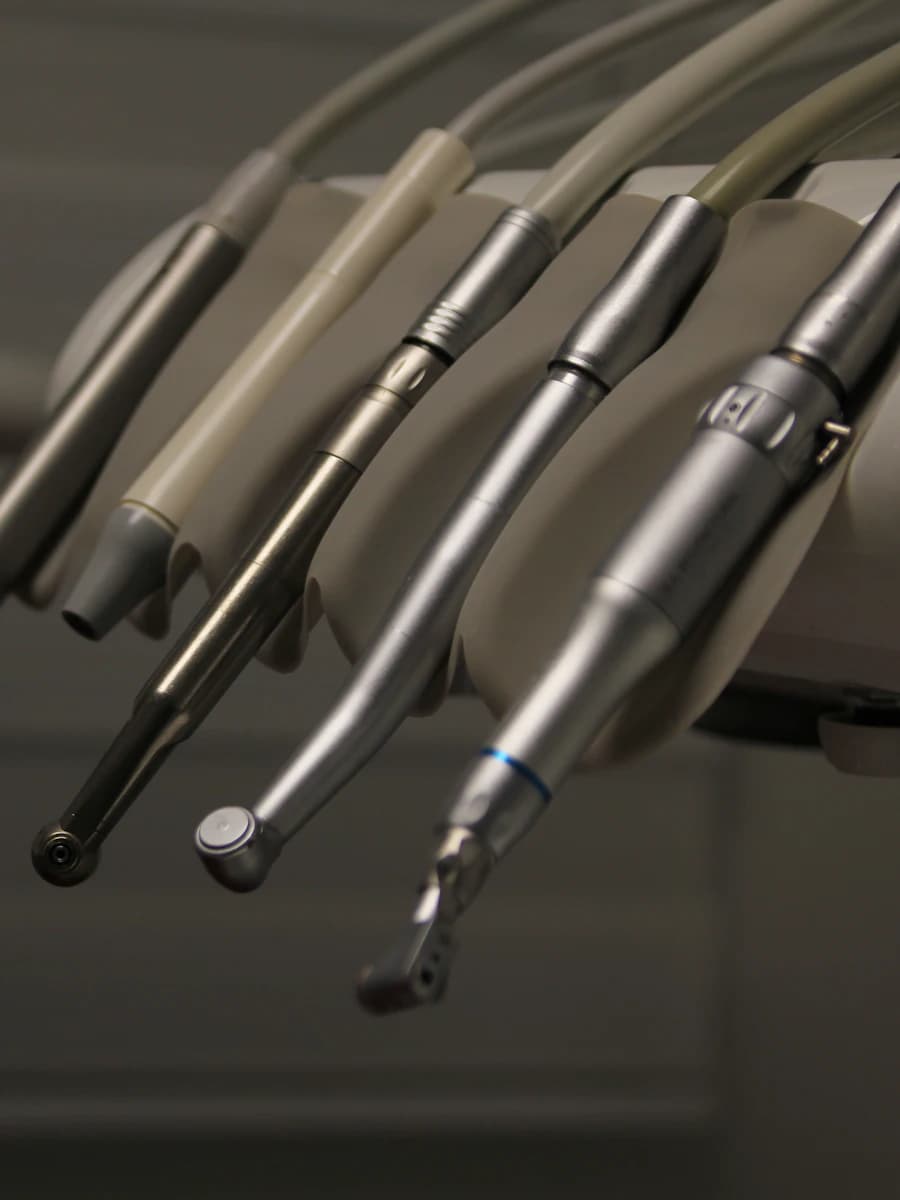
Modern endodontics has changed considerably from the procedure many people remember or dread. Many Seoul clinics work under a surgical microscope with fine rotary instruments, which lets the dentist see and clean the narrow canals far more precisely than the naked eye allows. Combined with careful local anesthesia, the experience for most patients is closer to a longer filling than to the ordeal it is often imagined to be. That said, comfort and outcomes still depend on the individual tooth, how much infection is present, and the skill of the clinician.
Ora does not treat patients and does not arrange treatment. This page is a guide: what the procedure involves, what it costs, and what to ask. Most Seoul clinics that see international patients will look at an X-ray you send them and give you a preliminary opinion before you travel — useful for planning, but never a diagnosis. Only an in-person examination, with fresh imaging taken at the clinic, can confirm what a tooth actually needs.
Candidacy
Is this right for you?

Root canal treatment is often considered when a tooth is painful, abscessed, or has an infection that has reached the pulp, but the tooth itself is still restorable. It can also be recommended before a crown when the nerve is exposed, or after trauma that has damaged the inner tissue. If you have been told a tooth is dying but not hopeless, saving it this way is frequently preferable to removing it, because keeping your own tooth preserves the surrounding bone and bite.
It is not the right answer for every tooth. When a tooth is badly fractured below the gum, severely broken down, or would not hold a lasting restoration, extraction followed by an implant or bridge may be the more honest long-term choice. A careful clinic will walk you through both paths, including the trade-offs in cost, timeline, and durability, rather than defaulting to one. If your case is genuinely borderline, that is exactly the kind of question worth putting to a clinic in writing before you travel.
Why Korea
Why a root canal in Seoul is a different experience

Microscope-assisted endodontics is common in Seoul rather than exceptional. Working under magnification with fine rotary instruments lets a dentist actually see the narrow, curved canals they are cleaning, which is the part of the treatment that most determines whether the tooth settles quietly or nags for months. Combined with high case volume, it makes for a procedure that most patients describe as closer to a long filling than to the ordeal the phrase suggests.
The cost gap matters more than people expect, because a root canal is rarely just a root canal. It usually needs a crown afterwards to stop the tooth cracking. In the US that pairing is what turns a painful tooth into a four-figure decision. In Seoul it is often the difference between saving the tooth and pulling it, which is a better reason to travel than the saving itself.
What to look for when you compare clinics
Ask whether the treatment is done under a microscope
It is standard at good Seoul clinics and worth confirming. It is the clearest single signal that the clinic takes the cleaning stage seriously.
Ask whether the crown is in the quote
The tooth usually needs one. A price that covers only the canal work is not comparable to a price at home that includes the crown.
Ask how many visits, and whether the crown fits on this trip
Some teeth finish in one appointment, some need two a few days apart. This decides how many days you book, so settle it before the flights.
Ask what happens if it does not settle
Occasionally a canal is complex or an infection persists. A clinic willing to discuss retreatment odds for your specific tooth is being honest with you.
Before you go
Getting ready for the trip

Because you will be travelling for care, gather your dental records before you go. Recent X-rays, any prior treatment notes, and a clear description of your symptoms all help the reviewing clinician understand your tooth ahead of time. If you have images on a phone or a disc from a previous dentist, share them; even imperfect records give a useful starting point and can reduce surprises once you arrive.
Plan your trip with a little slack in it. A root canal is sometimes completed in a single longer visit, but some teeth need two appointments a few days apart, and the tooth often needs a crown afterward to protect it. Ask the clinic in advance how many visits your case is likely to take and whether the crown can be fitted on the same trip, so you can book enough buffer days rather than rushing a flight home.
During
What actually happens
- 1
Choose a clinic and send your records
Shortlist clinics, then send your symptoms, photos, and any X-rays to the ones you are considering. Most will give you a preliminary read on whether a root canal is the likely path or whether another option deserves discussion. Compare those answers. This is a planning step, not a diagnosis.
- 2
In-person exam and imaging
At the clinic, the dentist takes fresh X-rays, and sometimes a 3D scan, and examines the tooth directly. This confirms the diagnosis and the exact shape of the canals. Occasionally the in-person findings differ from the remote picture, which is why this step is never skipped.
- 3
Anesthesia and access
The area is numbed with local anesthetic so the procedure itself is typically comfortable. The dentist then makes a small opening in the top of the tooth to reach the pulp chamber and the canals below it.
- 4
Cleaning and shaping the canals
Working under magnification, the dentist removes the infected or inflamed pulp and carefully cleans and shapes each canal. The canals are disinfected to clear bacteria. This is the core of the treatment and the part that most affects how well the tooth settles afterward.
- 5
Filling and sealing
Once the canals are clean and dry, they are filled with a biocompatible material and sealed to keep bacteria from returning. A temporary or permanent filling closes the access opening. In some cases the tooth is left to settle before the final restoration.
- 6
Crown or final restoration
A tooth that has had a root canal is often more brittle and usually benefits from a crown to protect it from fracture. Depending on your case and your schedule, the crown may be fitted on the same trip or planned as a follow-up. Ask about this early so your travel dates allow for it.
How do you know a clinic is any good?
Licence, sterilization, the lab, the follow-up plan. How to check each one from the other side of the world.
After
Afterwards, and how you'll feel

Mild tenderness around the tooth for a few days is common as the area heals, and it usually responds well to ordinary pain relief. It is sensible to chew on the other side and avoid hard foods until any temporary filling is replaced and, where needed, the crown is in place. If you develop swelling, a returning sharp pain, or a fever, contact the clinic promptly rather than waiting.
Because you may be back home before everything is fully settled, ask the clinic how they handle remote follow-up. A good clinic will tell you what is normal, what is not, and how to reach them with questions after you fly home. Ora can help keep that line of communication open and clear in English, so a small concern does not become a stressful guessing game from another country.
The outcome
What to expect, and how long it lasts

When a root canal succeeds, the tooth becomes comfortable again and can function much like any other tooth. Outcomes are generally good for well-treated teeth, and many restored teeth last for many years, in a lot of cases for the rest of a person's life, especially once protected by a crown. Longevity depends on the tooth, how much healthy structure remained, your bite, and how well you care for it afterward, so ranges rather than guarantees are the honest way to talk about it.
No treatment works every time. Occasionally a canal is unusually complex, an infection persists, or a tooth cracks later and needs retreatment or, eventually, removal. This is not a sign of failure so much as a reflection of biology, and a candid clinic will discuss the odds for your specific tooth. Understanding that range up front helps you weigh a root canal against alternatives like extraction with an implant, and make the choice that fits your situation.
Questions
Questions people actually ask

Is a root canal painful?
For most people the procedure itself is comfortable, because the tooth is numbed with local anesthetic and modern instruments work gently. Any soreness tends to come afterward as the area heals, and it is usually mild and short-lived. If you are anxious, tell the clinic, since gentle handling and clear explanation make a real difference.
Will I need a crown as well?
Often, yes. A tooth that has had a root canal can become more brittle, and a crown protects it from cracking under normal chewing. Ask the clinic whether the crown can be done on the same trip, as this affects how many days you should plan to stay.
How many visits will it take?
Some teeth are finished in a single longer appointment, while others need two visits a few days apart, and the crown may add another. The number depends on the tooth and how much infection is present. A clinic can give a likely estimate from your X-ray, but confirms it in person.
Could the tooth just be pulled instead?
Extraction is an alternative, usually followed by an implant or bridge to fill the gap. Saving your own tooth with a root canal is often preferable because it preserves surrounding bone and your natural bite. When a tooth is too damaged to restore well, though, removal can be the more honest choice, and a good clinic will discuss both.
Can Ora tell me what my tooth needs before I travel?
A clinic can look at your records and give you an informed sense of the likely path, which helps you plan. But a preliminary opinion is not a diagnosis. Only an in-person exam with fresh imaging at the clinic can confirm what your tooth actually requires.
How soon after treatment can I fly home?
Many people fly within a day or two of a root canal, but it is wise to leave buffer days in case the tooth needs a second visit or a crown. Ask the clinic about your specific plan before booking your return flight. Building in a little slack is easier than rebooking under pressure.