Will they be gentle with my child?
Parents write to us with a different worry than patients do. It is almost never about the filling. It is whether their child will be frightened, whether anyone in the room will explain things in a language they both understand, and whether one bad appointment in a foreign country will make the next ten years of dentist visits harder than they need to be.
That is the right thing to be worried about, and it is the first thing we ask a clinic about on your behalf. Someone here reads what you tell us about your child, including the visit that went badly last year, the sensitivity, the nerves, before we suggest anyone, because a gentle first ten minutes is part of the treatment, not a courtesy. What follows is what we would want to know if it were our own child in the chair.
The basics
What this actually is
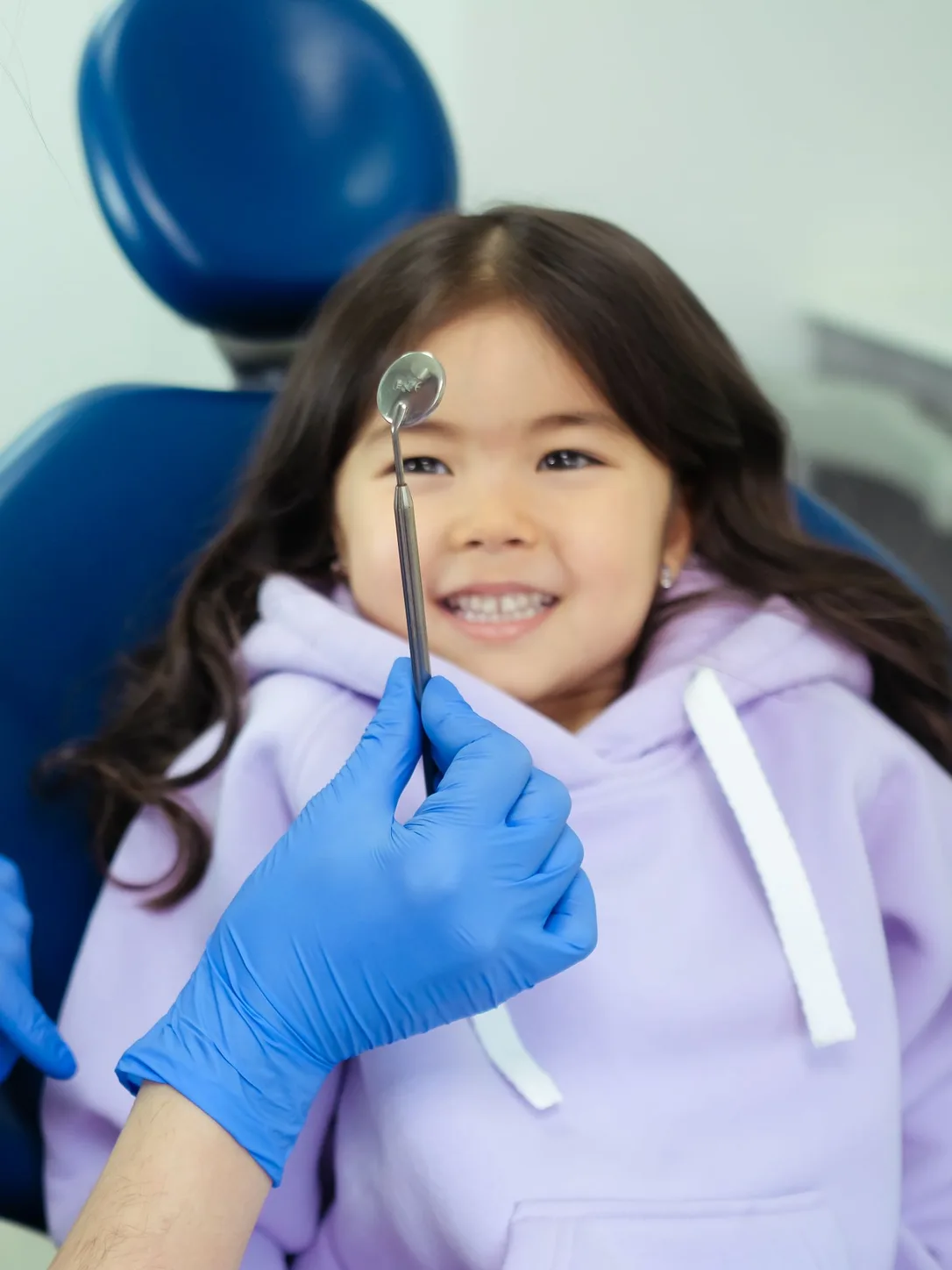
Pediatric dentistry covers the everyday dental care children need as they grow: checkups, cleanings, fillings, and the preventive steps that help baby and adult teeth come in healthy. Children are not simply small adults; their teeth, their attention spans, and their feelings about a dental visit are different, and good pediatric care is built around that difference. The aim is not only to treat a specific problem but to help your child feel that the dentist is a safe, ordinary place to be.
For a parent arranging care in Korea, the practical concerns are usually gentleness, clear communication, and a child-friendly environment. Many Seoul clinics that see international families offer English-speaking staff and take time to explain each step to the child in language they understand, which reduces fear and makes appointments smoother. A calm, unhurried visit early on shapes how a child feels about dental care for years afterward, so the tone of the clinic matters as much as the clinical work.
Ora does not treat children and does not arrange treatment. This page explains what a visit typically involves, what it costs in Seoul, and how to tell whether a clinic is genuinely set up for young international patients. A clinic's preliminary opinion helps you plan, but it is not a diagnosis. Your child still needs an in-person exam, and any competent clinic will share the plan with you, the parent, before anything proceeds.
Candidacy
Is this right for you?
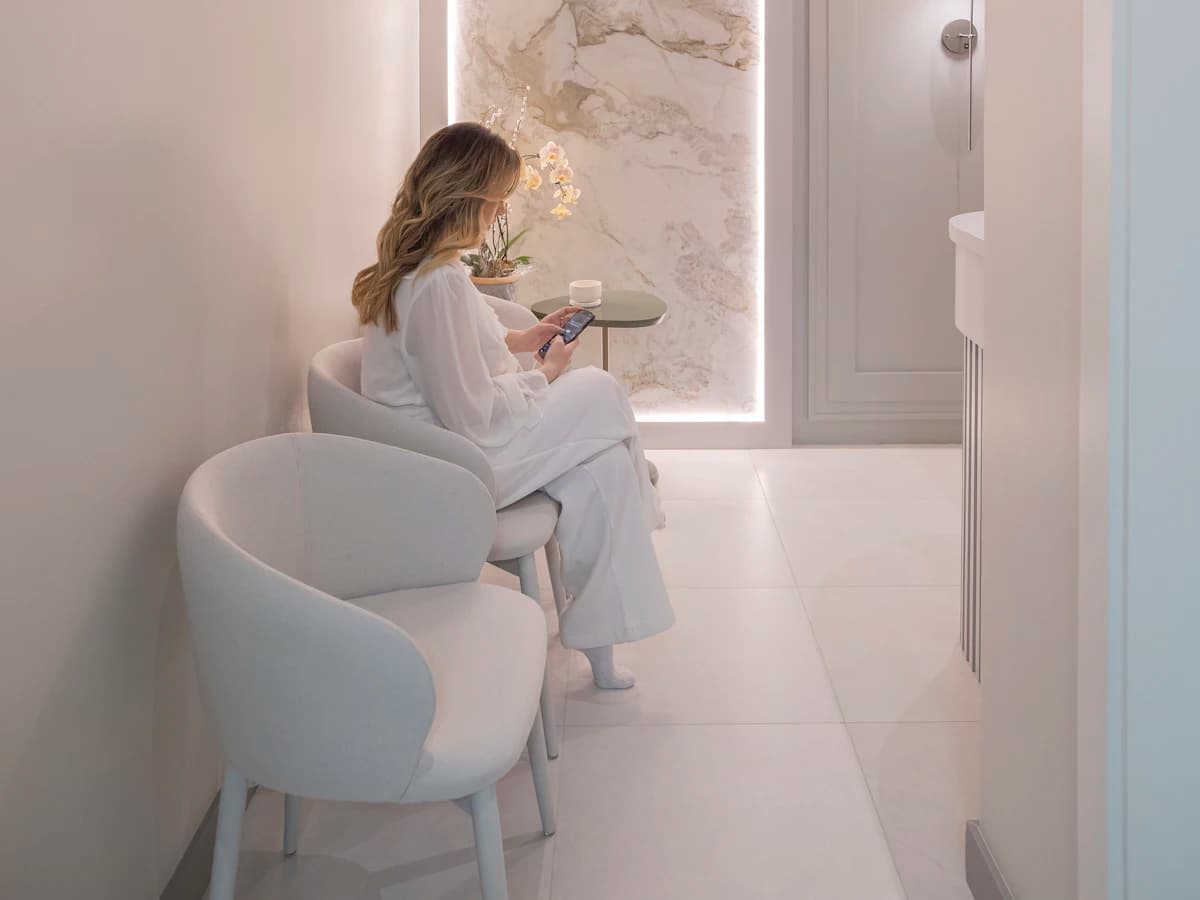
This kind of care suits families who want routine dental attention for a child while in Korea, whether that is a checkup and cleaning, a filling for a cavity, or preventive measures like sealants and fluoride that lower the chance of decay. It is also a good fit when a child is nervous about the dentist and would benefit from a gentle, patient approach, or when you simply want a trusted place to bring your child during a longer stay. The common thread is ordinary, careful care rather than anything dramatic.
Some situations call for a specialist or a hospital setting, and an honest clinic will tell you when that is the case. Complex developmental issues, significant orthodontic questions, or treatment that would need sedation for a very young or very anxious child may be better handled by a pediatric specialist or referred onward. If your child has a medical condition or special needs, raise it with a clinic before you book, so you find out then whether they are equipped for it rather than on the day of the appointment.
Why Korea
Why families bring children to Seoul clinics
Clinics in Seoul that see international families are generally used to explaining things twice: once to the parent, and once, differently, to the child. English-speaking staff, a room built for children rather than a scaled-down adult surgery, and an unhurried first appointment are common in the practices we work with. For a nervous child, that unhurried first ten minutes is not a nicety; it is the part that decides how the next decade of dental visits goes.
Routine children's care is also inexpensive here by international standards, which makes it easy to handle a checkup, a cleaning, and a small filling during a longer stay rather than putting them off. What Korea cannot do is replace your dentist at home. Children's teeth change constantly, and the value of a visit here is that it fits into ongoing care, not that it substitutes for it.
What to look for when you compare clinics
Ask what happens if your child refuses to open their mouth
The answer tells you almost everything. You want a clinic that treats a frightened child as part of the job rather than as a lost appointment.
Ask about their X-ray policy
Imaging should happen when there is a clinical reason and not as routine. A careful clinic will explain why any particular X-ray is needed.
Ask whether you can stay in the room
Practices differ, and both approaches can be right. What matters is that they have a considered answer and will tell you before the day.
Ask whether they will recommend waiting
Some things in a growing mouth are better monitored than treated. A clinic that never suggests watchful waiting is treating on a schedule that is not your child's.
Before you go
Getting ready for the trip

Before you travel, gather whatever records you have for your child: notes from your home dentist, any recent X-rays, and a short summary of concerns, allergies, or past dental experiences that went well or badly. Knowing that a child was frightened last time, or has a sensitivity to a particular material, helps the clinic prepare a gentler visit. Share these ahead of time so the appointment starts from understanding rather than from scratch.
It also helps to prepare your child, not just the paperwork. Talk about the visit in simple, positive terms, plan appointments for a time of day when your child is rested rather than tired or hungry, and build a little slack into your schedule so no one feels rushed. Ask the clinic in advance how many visits are likely and whether follow-up can be handled remotely once you are home, so a course of care fits your trip rather than fighting it.
During
What actually happens
- 1
Choose a clinic and share your concerns
Shortlist clinics that treat international children, then share your child's records and what worries you. Ask each one to describe, in plain language, what a first visit would involve. How they answer tells you a great deal. This is a planning step, not a diagnosis.
- 2
A gentle first visit
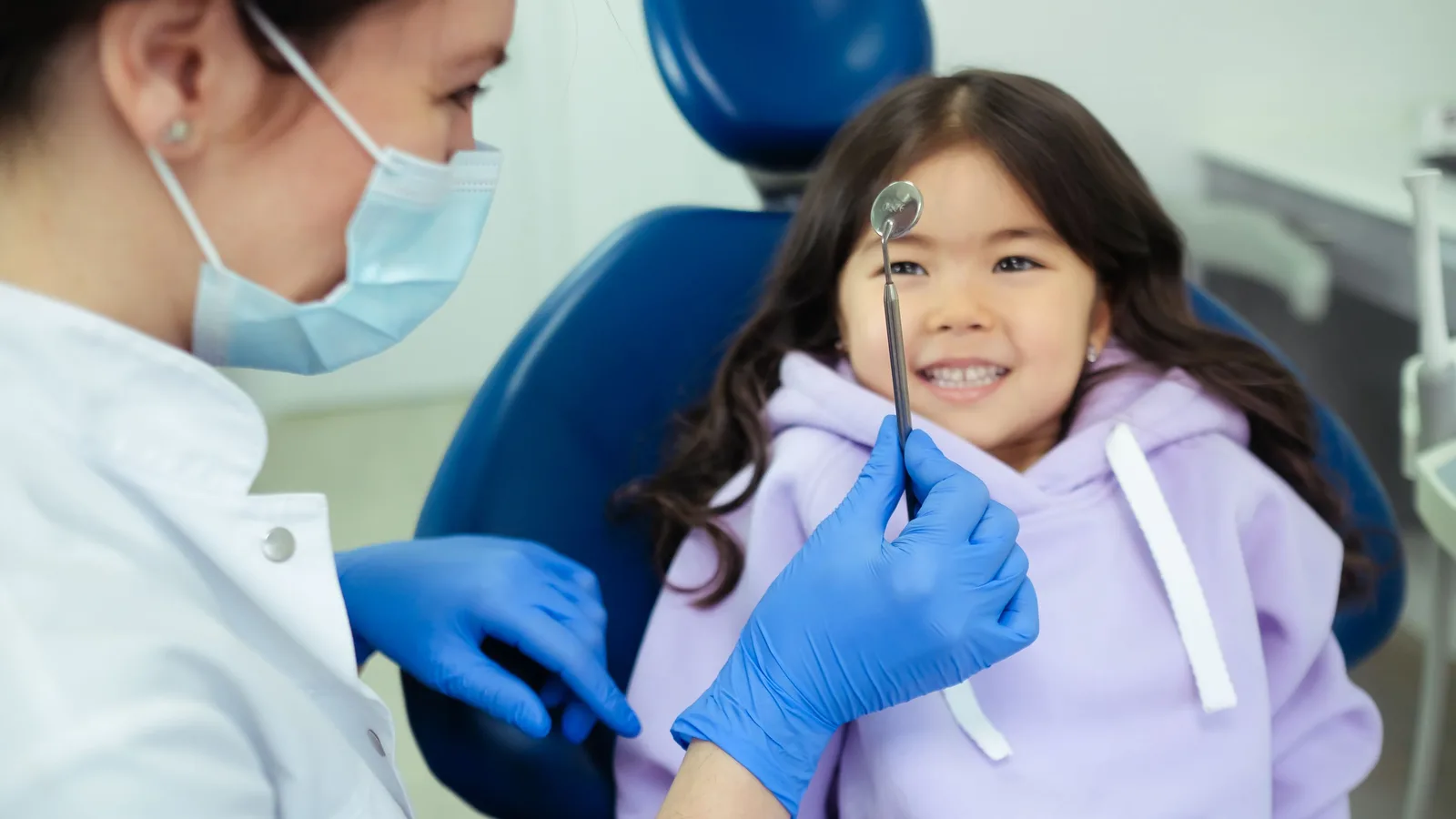
The first appointment is often about getting your child comfortable as much as examining teeth. The dentist may show the child the tools, explain things in friendly language, and keep the pace relaxed. For an anxious child, this unhurried introduction is part of the treatment, not a delay to it.
- 3
Examination and cleaning
The dentist checks your child's teeth and gums, takes X-rays only if genuinely needed, and cleans the teeth. You, as the parent, are kept informed throughout, and findings are explained to you clearly before any next step is discussed.
- 4
Preventive care
Where appropriate, the clinic may recommend sealants on the chewing surfaces of back teeth or a fluoride application to strengthen enamel. These simple measures lower the chance of future cavities. The dentist will explain why each is suggested and leave the decision with you.
- 5
Fillings or treatment, if needed
If a cavity or other issue is found, the dentist discusses it with you first and, in child-friendly terms, with your child. Treatment such as a filling is carried out gently, with care taken to keep the experience calm. Nothing proceeds without your understanding and agreement.
- 6
Guidance for parents
Before you leave, the clinic offers practical guidance on brushing, diet, and habits suited to your child's age. You will know what to watch for and when a follow-up makes sense. Ora can help keep that guidance clear in English once you are back home.
How do you know a clinic is any good?
Licence, sterilization, the lab, the follow-up plan. How to check each one from the other side of the world.
After
Afterwards, and how you'll feel

After a routine visit there is usually little to manage beyond the everyday: gentle brushing, a sensible diet, and keeping up the habits the clinic suggested. If your child had a filling or other treatment, follow any specific advice about eating on that side or managing mild tenderness, which typically settles quickly in children. Watch for anything that seems unusual, such as ongoing pain or swelling, and reach out to the clinic if it appears.
Because you may travel home soon after the appointment, ask the clinic how they prefer to handle questions once you are away. A clinic used to international families will explain what is normal, what is not, and how to reach them. Ora can help keep that communication open and in plain English, so you are never left guessing about your child's care from another country.
The outcome
What to expect, and how long it lasts

For most children, the real result of good pediatric care is not a dramatic before-and-after but a healthy mouth and a child who is less afraid of the dentist. Cavities get treated before they grow, preventive steps lower the odds of new ones, and the habits formed now tend to carry forward. How well teeth hold up over time depends heavily on daily care at home, diet, and regular checkups, so ongoing routine matters more than any single visit.
It is worth being realistic about baby teeth and growing mouths. Children's teeth change as they develop, some issues are best simply monitored rather than treated, and a good clinic will sometimes recommend watchful waiting instead of intervention. Preventive care reduces risk but does not eliminate it, so continued checkups after you return home remain important. The honest goal is steady, healthy development over years, supported rather than replaced by a visit in Korea.
Questions
Questions people actually ask

Will the clinic be able to communicate with me in English?
Seoul clinics that regularly see international families have English-speaking staff and are used to explaining things clearly to parents. Ask directly who will speak with you and in what language, and confirm that the plan for your child will be shared with you before anything proceeds.
My child is scared of the dentist. Can that be handled gently?
Yes, and it is treated as part of the care, not an obstacle to it. A good pediatric clinic takes time to help a nervous child feel comfortable, explaining tools and going at an easy pace. Sharing your child's past experiences ahead of time lets the clinic prepare a gentler visit.
What preventive care might be recommended?
Commonly, sealants on the back teeth and fluoride applications, both of which help lower the chance of cavities. The dentist will explain why each is suggested for your child and leave the choice with you. Preventive care reduces risk but does not remove the need for good habits at home.
Does my child need X-rays?
Only if there is a genuine clinical reason, and a careful clinic keeps imaging to what is truly needed. If X-rays are suggested, the dentist will explain why. You are kept informed and involved in that decision as the parent.
When should we see a specialist instead?
Complex developmental or orthodontic questions, or treatment needing sedation for a very young or very anxious child, may be better suited to a pediatric specialist. An honest clinic will tell you when that is the case rather than proceeding. Mentioning any medical conditions when you first contact a clinic saves a wasted trip.
Can follow-up happen after we go home?
Often, yes. Ask the clinic how they handle questions once you have travelled home, and Ora can help keep that communication clear in English. For anything routine, your home dentist remains an important part of your child's ongoing care.